
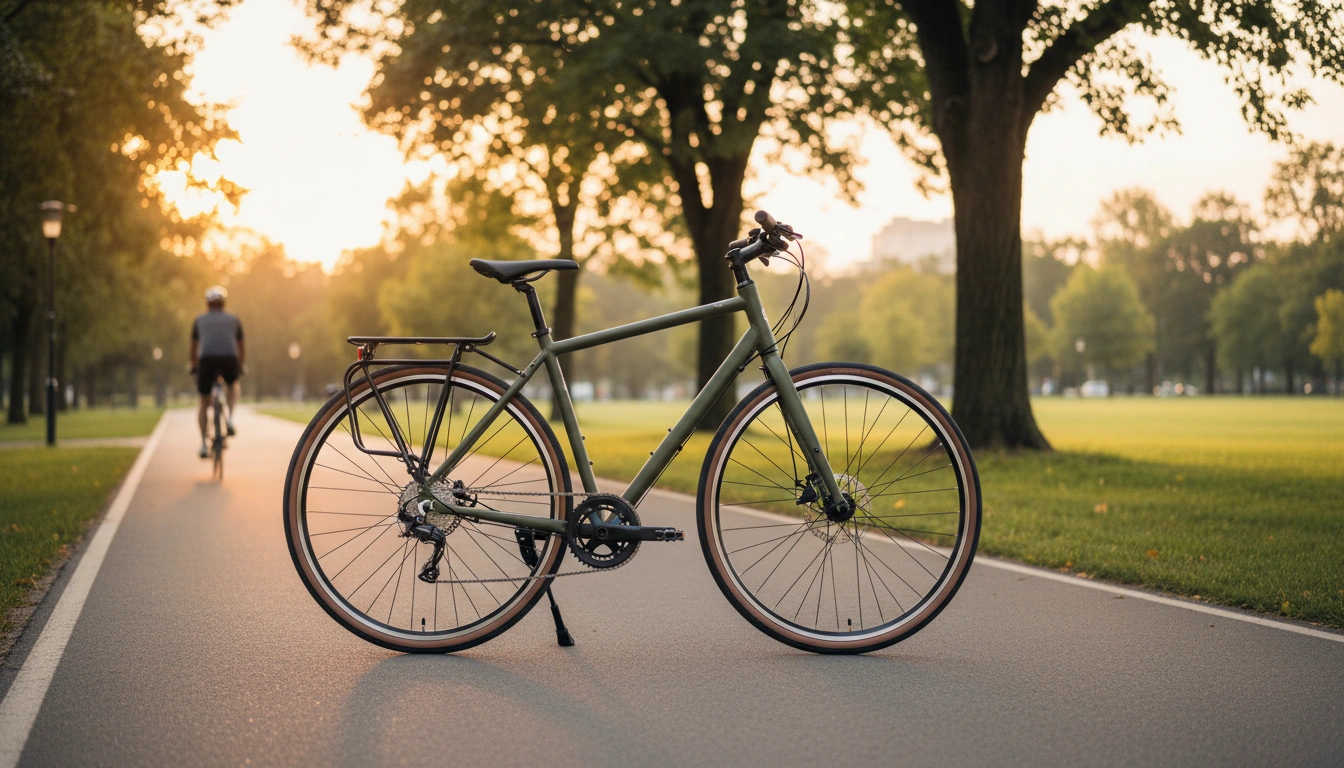
If you’ve ever looked at a road bike and thought “too aggressive,” then looked at a mountain bike and thought “too slow,” you’ve already figured out why hybrid bikes exist. They split the difference – comfortable enough for a 20-mile commute, capable enough for a gravel path on the weekend.
Hybrid bikes are probably the most useful category in cycling right now. They work for commuters, casual riders, fitness riders, and pretty much anyone who doesn’t want to be locked into one type of terrain. You get 700c wheels, flat handlebars, an upright riding position, and tires wide enough to handle real roads – without the weight of a full mountain bike slowing you down.
This hub covers everything you need to know about hybrid bikes – what they are, how to buy one, which brands make them well, and links to every budget-specific guide we’ve put together. Whether you’re spending $200 or $1,000, we’ve got a breakdown for your price range. Still figuring out if a hybrid is even the right type? Our quick quiz helps you land on the right category in under a minute.
What Is a Hybrid Bike?
The name says it: a hybrid is part road bike, part mountain bike – designed to work on both without being perfect at either.
Most hybrid bikes share a few defining traits. You’ll typically see 700c wheels (same diameter as road bikes), which roll fast on pavement. Tires usually run between 28mm and 42mm wide – wider than a road bike, narrower than a mountain bike. That width gives you enough grip for light trails and packed gravel without killing your speed on streets.
The flat handlebar is a big part of the hybrid experience. Unlike drop bars on a road bike, flat bars put you in an upright position. Your back is straighter, your neck isn’t strained, and you can actually see where you’re going without feeling like you’re in a time trial. For commuting or long casual rides, this matters a lot.
Most hybrids use aluminum frames, which keeps them light and affordable. You’ll find a range of drivetrains – from simple 7-speed setups perfect for flat cities, to 21-speed systems for riders dealing with hills. The better models come with rack and fender mounts built in, which is a practical detail that matters once you start using the bike for real life.
What hybrids are not: they’re not built for technical singletrack, they’re not the fastest option for road racing, and they’re not e-bikes. But for the vast majority of riders who want one bike that handles everything from the grocery run to a Saturday morning trail loop – they’re the answer.
Quick Picks: Top Hybrid Bikes
Not ready to read the full guides yet? Here are five solid hybrid bikes worth looking at across different use cases.
| Schwinn GTX Comfort Adult Hybrid Bike |  |
Best Overall | Wheels: 700c | Speeds: 21-speed | Frame: Aluminum | VIEW LATEST PRICE | See Full Guide |
| Kent Springdale Hybrid Bicycle 21-Speed |  |
Best Budget | Wheels: 700c | Speeds: 21-speed | Frame: Aluminum | VIEW LATEST PRICE | See Full Guide |
| Schwinn Network 1 Hybrid Bike 21-Speed 700c |  |
Best for Commuting | Wheels: 700c | Speeds: 21-speed | Frame: Aluminum | VIEW LATEST PRICE | See Full Guide |
| AVASTA Vela Hybrid Step-Through Bike for Women | |
Best Step-Through | Wheels: 700c | Speeds: 6-speed | Frame: Aluminum Step-Through | VIEW LATEST PRICE | See Full Guide |
| WEIZE 700C Hybrid Bike for Adults (14 Speed) | 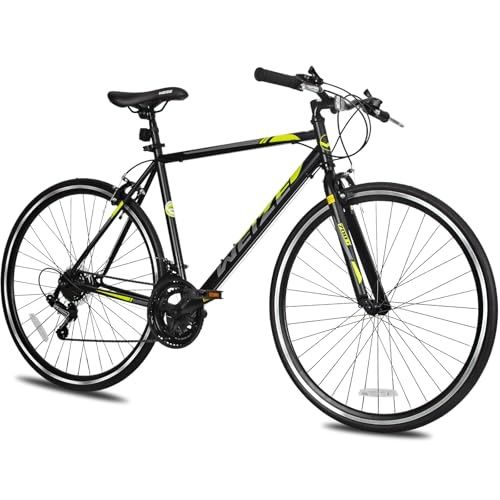 |
Best Mid-Range | Wheels: 700c | Speeds: 14-speed | Frame: Aluminum | VIEW LATEST PRICE | See Full Guide |
Hybrid Bikes by Budget
The right hybrid bike depends heavily on your budget – not because cheap bikes are bad, but because more money buys you better components, not a fundamentally different experience.
- Under $200: Entry-level options that get you on the road. Expect heavier steel frames and basic single-speed or 7-speed drivetrains. Good for casual neighborhood rides. See our under $200 picks
- Under $300: The sweet spot for budget-conscious riders. Aluminum frames start appearing here, along with 21-speed drivetrains. Noticeable upgrade over sub-$200 options. See our under $300 picks
- Under $500: Where quality starts getting genuinely good. You’ll find 700c aluminum bikes with mechanical disc brakes, rack mounts, and brands like Schwinn and AVASTA that have real reputations. See our under $500 picks
- Under $600: Starts bridging the gap toward performance territory. Hydraulic brakes and wider gear ranges appear at this price point. See our under $600 picks
- Under $1,000: Serious bikes for serious riders. At this level you’re looking at proper commuter builds, quality Shimano groupsets, and bikes that will hold up for years of regular use. See our under $1,000 picks
Hybrid vs Road vs Mountain vs Commuter
People get confused about this all the time – and the lines between categories really do blur. Here’s the honest breakdown.
Hybrid vs Road Bike: Road bikes have drop handlebars, narrow tires (23-28mm), and a forward-leaning aggressive position. They’re faster on smooth pavement but punishing on rough roads. A hybrid sacrifices some top-end speed in exchange for comfort, control, and the ability to handle imperfect surfaces. If you’re racing or logging big miles on clean roads, road bike. If you’re commuting or riding for fun on mixed terrain, hybrid.
Hybrid vs Mountain Bike: Mountain bikes have wide knobby tires (2.1″ to 2.4″+), suspension forks, and geometry designed for descending technical trails. They’re heavy and slow on pavement. A hybrid rolls faster on streets, handles better in a straight line, and won’t wear you out on longer paved rides. If you’re hitting actual singletrack with rocks and roots – mountain bike. If you’re mostly on gravel paths and city streets – hybrid.
Hybrid vs Commuter Bike: This is the blurriest line. “Commuter bike” isn’t really a technical category – it’s more of a marketing term. Most commuter bikes ARE hybrids, just packaged and marketed toward city riders. They might come stock with fenders and racks, or a more upright geometry. If a bike calls itself a commuter, it’s almost certainly a hybrid underneath.
The short version: hybrid is almost always the right choice for anyone who doesn’t know exactly what kind of specialist riding they’ll be doing. Start there, and only upgrade to a road or mountain bike once you know you need what it offers.
What to Look for in a Hybrid Bike
There’s more to buying a hybrid than picking a color you like – though that part matters too. First things first: make sure the frame size fits you by using our bike size calculator before you start comparing specs.
Frame Material
Most hybrid bikes under $1,000 use aluminum frames, which is exactly what you want. Aluminum is light, stiff, and doesn’t rust. Steel frames appear in some budget models – they’re heavier but more forgiving on rough roads (slight flex absorbs vibration). Carbon fiber hybrids exist but are rare and expensive; at that price point you’re usually better off with a dedicated road or gravel bike.
Tire Width
This is a bigger deal than most buyers realize. Narrow tires (28-32mm) roll faster and work great on smooth roads. Wider tires (35-42mm) handle gravel and rough pavement better and give a more cushioned ride. Think about where you’ll actually be riding before defaulting to the “faster = better” instinct.
Brakes: Rim vs Disc
Entry-level hybrids use rim brakes, which are lighter and easier to maintain. They work fine in dry conditions but suffer in wet weather. Disc brakes – both mechanical and hydraulic – stop more reliably in rain and mud. If you commute year-round or live somewhere wet, disc brakes are worth paying extra for. Hydraulic discs feel better than mechanical, but mechanical discs are easier to adjust yourself.
Gearing
A 7-speed bike is fine for flat terrain. If you have any hills at all, look for at least 21-speed (3 front chainrings x 7 rear cogs). More gears give you finer increments for matching your cadence to the terrain. Shimano makes the most common hybrid drivetrains – Tourney and Altus at the budget end, Acera and Alivio on mid-range bikes. Higher Shimano tier = crisper shifts and longer-lasting parts.
Rack and Fender Mounts
If there’s any chance you’ll use this bike for commuting or carrying stuff, make sure the frame has eyelets for racks and fenders. Not all hybrid frames have them, and retrofitting a bike without them is a pain. It’s a small detail on the spec sheet that makes a big real-world difference.
Suspension Fork
Some hybrids come with a front suspension fork, borrowed from mountain bikes. On genuinely rough terrain this helps. On smooth roads and light gravel, it adds weight and actually absorbs pedaling energy you’d rather use for forward motion. Rigid forks are faster and lower maintenance for most hybrid riding. Unless you know you’ll be on bumpy surfaces, a rigid fork is the better call.
Top Hybrid Bike Brands
Not all hybrid bikes come from brands with decades of cycling expertise – but a few names consistently show up when you’re looking at quality at each price tier.
Trek: One of the most respected names in cycling. Their FX series is the benchmark for mid-to-high-end hybrids – well-built, widely available, and backed by a proper dealer network. You won’t find Trek at Amazon prices.
Giant: Another major brand that makes genuinely excellent hybrids. The Escape series is popular for good reason – solid components, good geometry, available in a range of sizes. Giant bikes are often better value than their price suggests.
Specialized: Known more for road and mountain bikes, but their Sirrus hybrid line is worth a look if you’re spending $600 or more. Premium components and thoughtful geometry.
Cannondale: The Quick series sits in the upper-mid range. Cannondale builds are typically lighter and use better spec’d components than the price might suggest.
Schwinn: The most accessible name on this list. Schwinn makes budget-to-mid-range hybrids that are widely available and decent value. The GTX and Network lines show up in our under-$500 and under-$300 guides for a reason – they’re solid for the money, even if they don’t compete with Trek at premium prices.
AVASTA: A newer direct-to-consumer brand that’s built a following online. Their Jupiter and Vela models offer genuinely good specs at sub-$500 prices. Worth considering if you’re buying online and don’t need local dealer support.
Hybrid Bike FAQ
Some questions come up constantly when people are shopping for hybrids. Here are straight answers.
What’s the difference between a hybrid and a road bike?
The two most obvious differences are handlebars and tires. Road bikes use drop bars (the curved kind), which put you in an aerodynamic but bent-over position. Hybrids use flat bars, keeping you upright. Road bikes also run much narrower tires – typically 23-28mm versus 32-42mm on hybrids. Road bikes are faster on smooth pavement; hybrids are more comfortable and handle mixed surfaces better.
Are hybrid bikes good for commuting?
They’re probably the best all-around commuter option. The upright position gives you good visibility in traffic. The gear range handles hills without drama. The tire width handles rough city pavement, potholes, and the occasional curb-cut without flatting. Add a rack and fenders and you have a practical everyday machine. Most purpose-marketed commuter bikes are just hybrids with fenders already installed.
Can you ride a hybrid on trails?
Yes, with limitations. Smooth gravel trails, fire roads, packed dirt paths – hybrids handle all of that without issue. Where they start to struggle is technical singletrack with loose rocks, roots, and drops. The narrower tires don’t grip as well, and the geometry isn’t designed for active trail riding. For easy to moderate off-road use, a hybrid is fine. For proper mountain biking, you want an actual mountain bike.
How fast can a hybrid bike go?
Cruising speed on flat ground with moderate effort runs around 12-15 mph for most riders. If you’re fit and pushing it on a good road, 20+ mph is achievable. Top speed depends more on the rider than the bike. Hybrids are slower than road bikes at equal effort because of tire width and rider position, but the difference is smaller than most people expect – maybe 1-2 mph average on a typical ride.
Are hybrid bikes good for beginners?
They’re arguably the best choice for beginners. The upright position is natural and easy to control. The gearing handles most terrain without confusion. The handling is neutral – not twitchy like a road bike, not sluggish like a loaded mountain bike. If someone is getting back into cycling or buying their first adult bike, a hybrid is almost always the right starting point.
Do hybrid bikes come with gears?
Most do, yes. Entry-level models typically have 7 speeds, which handles flat to moderately hilly terrain. Better models run 21-speed systems (3×7 configuration) or newer 1x setups with a wide-range rear cassette. The only hybrids without gears are fixed-gear or single-speed city bikes, which are a specific choice for flat urban riding – not what most people picture when they say “hybrid.”
Can you add a rack to a hybrid bike?
It depends on whether the frame has rack mounts (called eyelets). Most mid-range hybrids do – look for small threaded holes near the rear dropout and sometimes at the seatstay bridge. If those mounts are there, adding a rear rack is straightforward and takes about 15 minutes. If the bike doesn’t have eyelets, clip-on seatpost racks exist, but they’re less stable and have lower weight limits. Check the specs before buying if carrying capacity matters to you.
Are disc brakes worth it on a hybrid?
For commuters and year-round riders, yes. Disc brakes – especially hydraulic – perform consistently in rain, mud, and cold. You get shorter stopping distances and better modulation (more control over how hard you’re braking). For casual fair-weather riders, rim brakes are perfectly adequate and easier to work on yourself. The upgrade from rim to mechanical disc is worth it; mechanical to hydraulic is nice but not essential unless you ride in genuinely bad conditions regularly.
Browse Our Full Hybrid Bike Library
Ready to find the right bike for your budget? We’ve broken down hybrid bikes by price tier so you can go straight to the options that make sense for you.
- Best Hybrid Bikes Under $200 – entry-level picks for riders on a tight budget
- Best Hybrid Bikes Under $300 – where aluminum frames and multi-speed drivetrains start showing up
- Best Hybrid Bikes Under $500 – the sweet spot for most casual and commuter riders
- Best Hybrid Bikes Under $600 – stepping up to better brakes and components
- Best Hybrid Bikes Under $1,000 – serious bikes for serious riders
If you’re not sure where to start, the under $500 guide covers the price range where most people end up. It’s a solid place to start comparing.
🚲 Free: The Smart Bike Buyer’s Cheat Sheet
Get our 2-page PDF - budget tiers, the components that actually matter, and a 12-point used-bike inspection. We'll email you the download link. No spam, unsubscribe anytime.
By subscribing you agree to our Privacy Policy.