
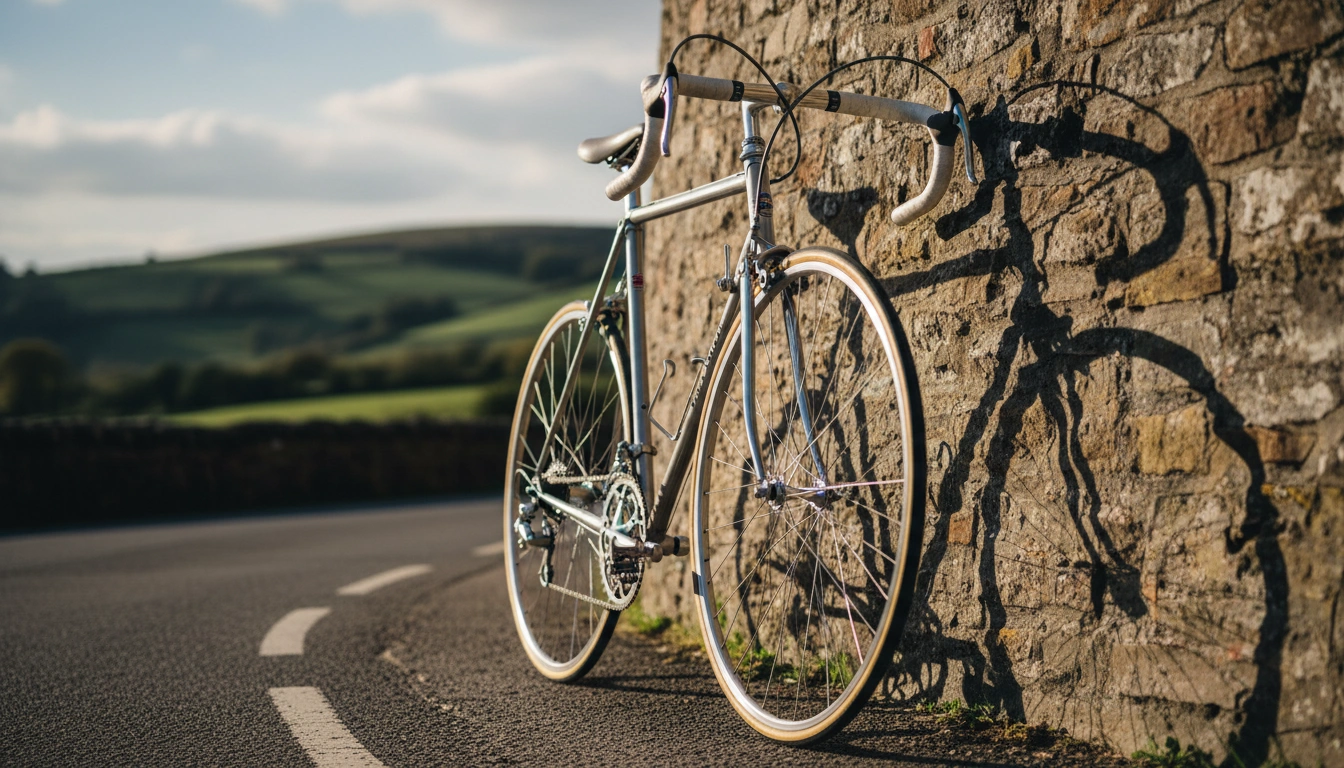
Road bikes are the closest thing to riding on air. Narrow tires, a lightweight frame, drop handlebars – everything on a road bike is built to move fast with as little effort as possible. Once you figure out the riding position, you stop thinking about the bike and start thinking about how far you can go.
Whether you’re just getting into cycling or looking to upgrade from whatever’s been collecting dust in your garage, this page covers the full picture: what road bikes actually are, how to pick one that fits your budget and goals, and every price-specific guide we’ve put together. No fluff, no filler – just the stuff that helps you make a good call.
We cover everything from sub-$300 entry-level picks all the way up to the $1,500 range where things start getting seriously good. If you know your budget, jump straight to the right section. If you’re still figuring things out, our bike type quiz can help you narrow it down before you read on.
What Is a Road Bike?
If you’ve been shopping around, you already know there are about fifteen different types of bikes and they all look kind of similar. Here’s how road bikes fit in.
A road bike is a bike designed specifically for paved surfaces and speed. The four things that define it are drop handlebars (the curved ones that let you tuck your elbows in), narrow tires (typically 25-32mm wide), a lightweight frame built for stiffness, and a geometry that puts you in a forward-leaning position. That aerodynamic position feels weird at first, but it’s what makes covering 30+ miles feel manageable instead of brutal.
Road bikes are not mountain bikes (no suspension, not meant for trails), not commuter bikes (not built for carrying cargo or sitting upright), and not hybrid bikes (which split the difference but aren’t great at anything). They’re single-purpose machines – and that focus is exactly what makes them fun.
Quick Picks: Top Road Bikes at Every Budget
Not sure where to start? These five bikes cover the main price tiers. Each one is a strong pick for its price range – nothing here is a filler choice.
| Bike | Budget Tier | Best For | Link |
|---|---|---|---|
| Schwinn Volare 1400 | Under $300 | First road bike, casual weekend riding | View on Amazon |
| Tommaso Imola | Under $500 | Fitness riding, light touring, upgrading from entry-level | View on Amazon |
| Vilano Shadow 3.0 | Under $500 | Road riding with disc brake confidence | View on Amazon |
| Cannondale Synapse | Under $1,000 | Endurance geometry, all-day comfort, serious training | View on Amazon |
| Trek Domane AL 3 | Under $1,500 | Endurance road, beginners ready to invest in quality | View on Amazon |
Road Bikes by Budget
The right budget tier depends on what you’re actually going to do with the bike. Here’s where to go depending on how much you want to spend.
-
6 Best Road Bikes Under $300
– Entry-level aluminum frames, 21-speed drivetrains, solid value for beginners. -
The 8 Best Road Bikes Under $500
– The sweet spot for first-time buyers. More gear options, better components, bikes you’ll actually want to ride regularly. -
8 Best Road Bikes Under $1,000
– Mid-range territory. Shimano Claris and Sora groupsets, disc brake options, noticeably smoother everything. -
7 Best Road Bikes Under $1,500
– Performance-oriented aluminum and entry carbon. Tiagra and 105 drivetrains. The bikes that make you want to ride farther. -
Vilano Aluminum Road Bike Review
– A deep look at one of the most popular budget road bikes. Find out what you actually get for the money.
Road Bike Anatomy: Key Components Explained
You don’t need to be a mechanic to buy a good road bike, but knowing what the parts mean makes the spec sheets a lot less confusing.
Frame
The frame is the backbone of everything. Most entry and mid-range road bikes use aluminum, which is light, stiff, and affordable. Carbon fiber costs more but absorbs road vibration better and weighs less – you’ll see it at $1,500 and above. Steel frames are rare on modern road bikes but offer a smooth ride and are nearly indestructible if you want something to last 20 years.
Drivetrain (Groupset)
Shimano dominates the road bike drivetrain market, and they make a clear hierarchy you can use to gauge quality at a glance:
- Shimano Tourney – 7-speed entry level. Fine for casual riding, limited on hills.
- Shimano Claris – 8-speed. A noticeable step up from Tourney. Standard on budget-to-mid bikes.
- Shimano Sora – 9-speed. Smoother shifts, found on bikes in the $500-$800 range.
- Shimano Tiagra – 10-speed. Getting into real performance territory. Around $800-$1,200.
- Shimano 105 – 11 or 12-speed. The benchmark for serious road cycling. Starts around $1,200-$1,500.
Brakes
Road bikes come with either rim brakes or disc brakes. Rim brakes (caliper brakes) squeeze the wheel rim to stop – they’re lighter and the traditional choice. Disc brakes grip a rotor at the hub and offer better stopping power in wet conditions. Most new road bikes in the $700+ range have disc brakes as standard, and most riders prefer them once they try them.
Wheels and Tires
Almost all road bikes use 700c wheels – that’s the standard road wheel size. Tire width has been getting wider over the years. The old standard was 23mm, but 28mm is now common and 32mm is gaining ground for endurance bikes. Wider tires roll nearly as fast at lower pressures and feel dramatically more comfortable on rough roads.
Saddle and Contact Points
The saddle, handlebars, and pedals are your three contact points with the bike. A lot of beginner discomfort comes from the stock saddle, which is usually a compromise that fits no one perfectly. Most riders swap the saddle within the first year. Padded bike shorts also make a bigger difference than most people expect – don’t judge road riding comfort until you’ve tried proper shorts at least once.
What to Look for in a Road Bike
There are a handful of things that separate a good buy from a bike you’ll want to sell in six months. Worth knowing before you hand over your card.
Frame Material
Start with aluminum if you’re new to road cycling. It’s the right choice for most budgets – light enough, stiff enough, and durable. Carbon fiber is a real upgrade if you’re riding 100+ miles a week or doing longer events, but it’s overkill for casual fitness riding. Steel is great for touring and commuting but feels heavy on climbs.
Drivetrain
Match the drivetrain to what you’ll actually ride. Hilly terrain needs a wide gear range – look for a compact chainring (50/34) and an 11-32 or 11-34 cassette if you live somewhere with real climbing. Flat riding is less demanding. Claris and Sora are perfectly fine for most people. The jump to 105 is worth it only if you ride seriously and plan to keep the bike long-term. One thing to watch: mixing Shimano groupset generations is generally fine, but mixing brands (Shimano with SRAM) usually causes shifting headaches.
Fit and Geometry
This matters more than any single component. A road bike that doesn’t fit will hurt your knees, back, and wrists no matter how expensive it is. Key measurements are reach (front-to-back distance from saddle to bars) and stack (height from bottom bracket to bar tops). Endurance geometry – longer stack, shorter reach – is more comfortable for most beginners. Race geometry is more aggressive and takes time to get used to.
Wheel Size
Stick with 700c for road riding. That’s the standard. If you’re shorter (under 5’3″), some brands offer bikes sized for 650b wheels, which have better standover height. Not common, but worth checking if you’re on the shorter end.
Tire Width
Don’t automatically go for the narrowest tires thinking it’ll make you faster. 28mm tires roll nearly as fast as 25mm at the same pressure and absorb road chatter much better. For endurance riding or rough roads, 30-32mm makes a real difference in how comfortable longer rides feel. Check frame clearance before swapping tires – some older road frames max out at 25mm.
Brake Type
If budget allows, disc brakes are worth it. They’re more consistent in wet conditions, require less hand strength to modulate, and don’t wear down your wheel rims. Rim brakes aren’t bad – they’re lighter and easier to maintain. But if you’re spending $700 or more, disc gives you more confidence especially on descents.
Top Road Bike Brands
The brand you pick says something about what you’re getting – quality control, warranty support, component sourcing. Not all brands are created equal, even at the same price point.
Trek
One of the biggest names in cycling worldwide. Trek makes road bikes from entry-level aluminum all the way to World Tour race machines. Their Domane line is a particularly good endurance road option for beginners who want to invest in something serious from the start. Wide dealer network means service and parts are easy to find.
Specialized
Specialized bikes are well-engineered across every price point. Their Allez series (aluminum road) is consistently recommended as one of the best values in the $800-$1,200 range. They also make excellent endurance bikes with the Roubaix line. Like Trek, they have strong dealer support.
Giant
Giant is the world’s largest bike manufacturer and they leverage that to offer competitive components at every price. The Contend series is their entry-to-mid road lineup and it punches above its weight. If you want solid build quality without paying a premium for brand cachet, Giant is worth a close look.
Cannondale
Cannondale has been around since 1971 and makes some of the lightest aluminum bikes on the market. Their CAAD series (aluminum road) is legendary for being almost as light as entry-level carbon. The Synapse endurance road line is another strong pick for recreational riders who want quality at a fair price.
Vilano
Vilano is a budget-friendly brand that’s popular with first-time road bike buyers. Their aluminum road bikes in the $200-$400 range offer genuine value – not premium, but functional and reliable enough to get you riding. The Vilano aluminum road bike is one of the most reviewed budget road bikes on Amazon for a reason.
Tommaso
Tommaso is a direct-to-consumer brand that ships bikes partially assembled from their warehouse. They often include Shimano Claris or Sora groupsets at prices that undercut what you’d pay for the same specs from a big-box brand. Their bikes need some setup time out of the box, but the value is hard to argue with in the $400-$600 range.
Road Bike FAQ
These are the questions that come up most often when people are deciding whether a road bike is the right call – and which one to get.
What’s a good beginner road bike budget?
For a proper road bike that’ll last a few years and actually be enjoyable to ride, plan on spending at least $400-$500. Sub-$300 bikes exist and work fine for casual riding, but the components are more basic and the weight is higher. If you’re serious about getting into road cycling, $500-$800 is where you start to notice a real difference in ride quality.
Do I need carbon fiber?
No. Carbon fiber is a genuine upgrade – lighter, stiffer, absorbs vibration better – but it’s not a necessity for the vast majority of riders. A quality aluminum bike with a good groupset will outperform an entry carbon bike with cheap components. Get carbon when you’ve outgrown aluminum and you know you’ll use it. That usually means riding 50+ miles a week consistently.
How fast can a road bike go?
Most recreational riders average 14-18 mph on flat terrain. Fit club riders typically cruise at 18-22 mph. On descents with a good aerodynamic tuck, 35-45 mph is reachable. Speed depends way more on fitness and terrain than it does on the bike – so don’t think upgrading the bike will automatically make you faster if the legs aren’t there yet.
Are drop bars hard to get used to?
They take a few rides, not weeks. The lower position feels weird at first because it’s putting more weight on your hands and bending you forward. After 3-4 rides, most people settle in. The trick is to not white-knuckle the bars – relax your grip, bend your elbows slightly, and keep your shoulders from creeping up toward your ears. It clicks pretty fast once you stop fighting it.
What’s the difference between a road bike and an endurance bike?
Endurance bikes are a category within road bikes designed for longer, more comfortable rides. They have a more upright geometry (higher stack, shorter reach), wider tire clearance, and sometimes vibration-dampening features in the fork or seatpost. Race bikes prioritize pure speed and put you in a more aggressive position. For most people, an endurance road bike is the smarter starting point.
Can you ride a road bike on gravel?
Lightly, yes. If your road bike has clearance for 30-32mm tires, you can handle packed gravel paths and smooth dirt roads without too much trouble. But road bikes are not gravel bikes – the geometry, tire volume, and often the gearing aren’t optimized for off-pavement riding. If you know you’ll be on gravel regularly, a dedicated gravel bike is worth considering instead.
How often should you replace road bike tires?
A rough guide is every 1,500-3,000 miles for clincher road tires, depending on the tire quality and the surfaces you ride. If you start seeing small cuts in the tread, worn-flat center strips, or frequent pinch flats, it’s time. Rear tires wear faster than fronts because of weight distribution. Rotating front-to-rear can extend total lifespan, but many riders just replace the rear more frequently.
What size road bike do I need?
Road bike sizing is based on your height and inseam length, and brands publish size charts for their specific models. As a rough starting point: under 5’4″ typically fits an XS or 48-50cm frame, 5’4″-5’8″ is usually a 52-54cm, 5’8″-6’0″ falls in the 54-58cm range, and over 6′ usually needs a 58cm or larger. These are ballpark figures – always use our bike size calculator or check the brand’s specific sizing chart before ordering, and when in doubt, go to a local shop for a fit consultation. Getting the frame size wrong is the one mistake that’s hardest to fix.
Browse Our Full Road Bike Library
Whether you’re buying your first road bike or looking to move up, we’ve got a guide for where you are right now. Each page includes specific product picks with full specs and notes on who each bike is best suited for – not just a list of names.
-
Best Road Bikes Under $300
– Where most beginners start. Solid picks that won’t leave you frustrated. -
Best Road Bikes Under $500
– The sweet spot for getting started seriously. Better parts, longer-lasting bikes. -
Best Road Bikes Under $1,000
– Mid-range territory with real performance upgrades. Disc brakes, better drivetrains, nicer wheels. -
Best Road Bikes Under $1,500
– Performance aluminum and entry-level carbon. Shimano Tiagra and 105. The bikes that keep pace on group rides. -
Vilano Aluminum Road Bike Review
– An honest look at one of the most popular budget road bikes on the market.
🚲 Free: The Smart Bike Buyer’s Cheat Sheet
Get our 2-page PDF - budget tiers, the components that actually matter, and a 12-point used-bike inspection. We'll email you the download link. No spam, unsubscribe anytime.
By subscribing you agree to our Privacy Policy.