
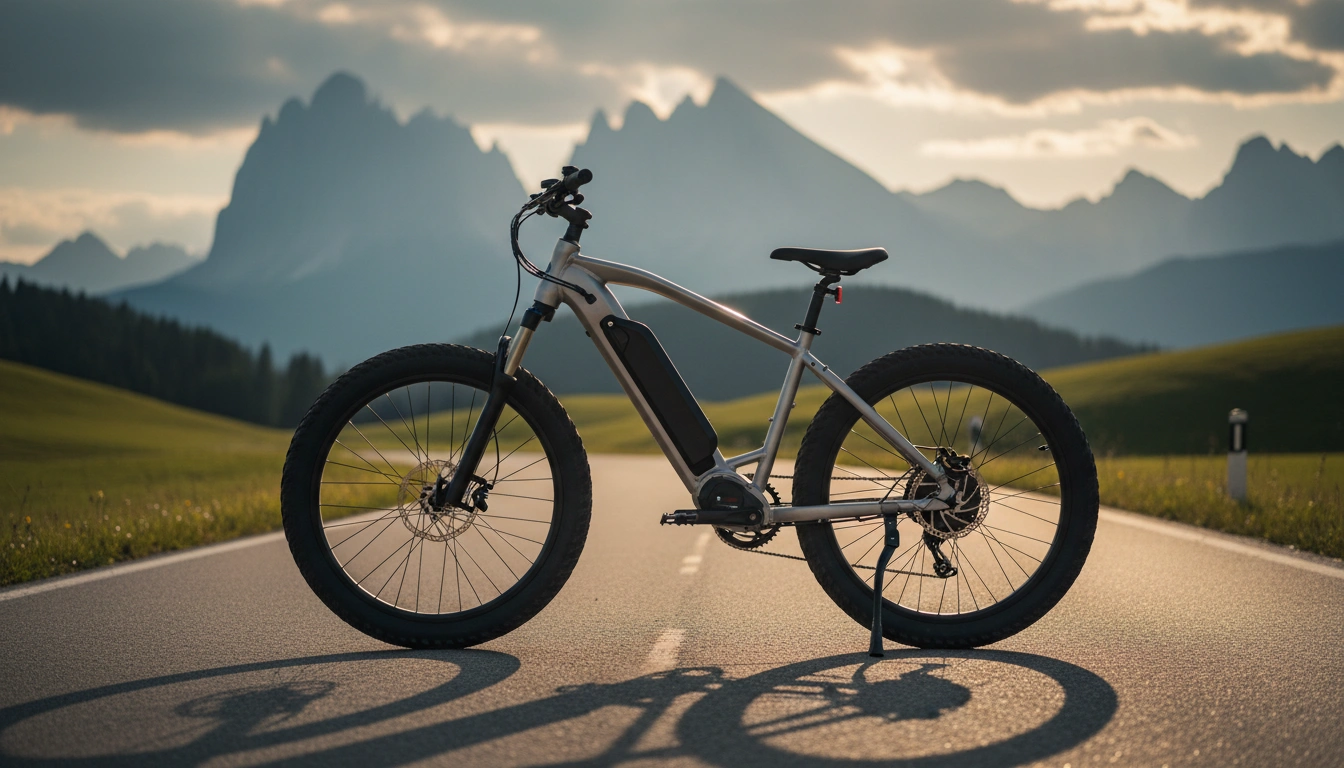
There’s a line somewhere around $1,000 where electric bikes stop being a gamble and start being actual bikes. Below that line, you’re managing expectations – hoping the battery survives winter, wondering if the motor will whimper out on your first real hill. Above it, things get genuinely good. And at $1,500-2,000, you’re in a different world entirely. This is where torque sensors, hydraulic brakes, and real battery capacity show up as standard features, not marketing bullet points.
The extra money over a $1,000 bike isn’t spent on chrome and stickers. It buys you a bigger battery that can handle a 60-mile week without babying, brakes that actually modulate instead of grabbing and praying, and in some cases a torque sensor that makes pedal assist feel like a real bike instead of a light switch. The gap from $1,000 to $2,000 is the biggest performance jump in the entire e-bike market – bigger than going from $2,000 to $4,000.
We looked at seven e-bikes in the $1,100-2,000 range available on Amazon right now – folding fat tire bikes, step-through commuters, full-suspension rigs, and compact all-terrain options. No mid-drive motors at this price point from Amazon sellers (those live above $2,500 in practice), but there are some genuinely impressive hub-motor builds here that’ll surprise you. Let’s get into it.
Key Takeaways
Here’s the short version if you’re in a hurry – the stuff that actually matters at this price tier.
- Best overall pick is the Mokwheel Basalt ST – torque sensor, 940Wh battery, 750W-rated motor (1100W peak) with 90Nm torque, and it works with a portable inverter to power your camping gear. Nothing else in this list does that.
- Best step-through commuter is the Velowave Grace 2.0 – 750W Bafang motor, torque sensor, 960Wh battery with LG cells, and a step-through frame that makes daily riding genuinely convenient. Real-world commuter build, not a toy.
- Best for range and folding portability is the Addmotor Foldtan M-160 – 960Wh battery, torque sensor, folds completely, and covers up to 100 miles. The only folding step-through bike here with this combination of specs.
- Torque sensors appear on the Mokwheel Basalt ST, Mokwheel Scoria, Engwe Engine Pro 2.0, and Velowave Grace 2.0 – the rest use cadence sensors. Torque sensors make pedal assist feel dramatically more natural.
- UL 2849 certification (the battery and electrical system safety standard) is confirmed on the Heybike Mars 3.0. For the Cyrusher Kommoda 3.0, check the listing for UL 2849 certification before you buy. Others have proprietary safety testing but not the UL stamp specifically.
- Real-world range at this tier is 45-70 miles on pedal assist for most bikes here, compared to 30-45 miles for the under-$1,000 tier. The bigger 48V 20Ah batteries (960Wh) make a tangible difference you’ll actually feel week to week.
Legal heads-up: Under US federal law (15 U.S.C. 2085), a low-speed electric bicycle has a motor under 750W and tops out at 20 mph on motor power alone. Most states use a three-class system: Class 1 and 2 assist up to 20 mph, Class 3 up to 28 mph. Every bike here is a 750W-rated motor with a higher peak number in the listing, which is fine, because the rules go by rated power. Some of them can be unlocked past 28 mph, though, and that puts them in moped territory and may keep them off bike lanes and trails. Check your local rules.
| Mokwheel Basalt ST Electric Bike |  |
Best Overall | Motor: 750W (1100W peak), 90Nm | Battery: 48V 19.6Ah (940Wh) | Sensor: Torque sensor | VIEW LATEST PRICE | Read Our Analysis |
| Velowave Grace 2.0 Step-Thru Electric Bike |  |
Best for Commuting | Motor: 750W Bafang, 80Nm | Battery: 48V 20Ah (960Wh) | Sensor: Torque sensor | VIEW LATEST PRICE | Read Our Analysis |
| Addmotor Foldtan M-160 Folding E-Bike |  |
Best Folding Pick | Motor: 750W, torque sensor | Battery: 48V 20Ah (960Wh) | Range: Up to 100 miles | VIEW LATEST PRICE | Read Our Analysis |
| Heybike Mars 3.0 Foldable Fat Tire E-Bike |  |
Best Fat Tire Folder | Motor: 750W (1400W peak) | Battery: 48V 624Wh, UL2849 | Range: 70+ miles claimed | VIEW LATEST PRICE | Read Our Analysis |
| Cyrusher Kommoda 3.0 Step-Through E-Bike |  |
Best Step-Through | Motor: 750W (1500W peak), air suspension | Battery: 48V 20Ah (960Wh) | Range: Up to 75 miles | VIEW LATEST PRICE | Read Our Analysis |
| ENGWE Engine Pro 2.0 Full Suspension Folding E-Bike |  |
Best Full Suspension | Motor: 750W (1200W peak), 75Nm torque | Battery: 48V 16Ah (768Wh) | Sensor: Torque sensor | VIEW LATEST PRICE | Read Our Analysis |
| Mokwheel Scoria Compact Fat Tire E-Bike |  |
Best Compact All-Terrain | Motor: 750W (1100W peak), 90Nm | Battery: 48V 19.6Ah (940Wh) | Sensor: Torque sensor | VIEW LATEST PRICE | Read Our Analysis |
More Details on Our Top Picks
-
Mokwheel Basalt ST Electric Bike
The Mokwheel Basalt ST stands out in this price range for one reason that no other bike here offers: you can plug a portable inverter into its battery and run your laptop, a camp fridge, or a car tire inflator. That sounds like a gimmick until you’re 40 miles from anywhere and your phone dies. Beyond that admittedly niche party trick, this is a genuinely well-spec’d fat tire mountain e-bike with a torque sensor – something that usually costs considerably more.
The motor is rated at 750W (1100W peak) with 90Nm of torque, backed by a 48V 19.6Ah (940Wh) battery with a claimed 80-mile range on pedal assist. Realistically you’re looking at 50-60 miles with actual effort and mixed terrain, which is still excellent. The SHM 8-speed drivetrain with torque sensing means the assist kicks in proportionally to how hard you’re pedaling – not that jarring on/off feeling you get from cheaper cadence sensors.
The 26×4″ fat tires handle gravel, dirt, and light trail riding without drama, and the seller quotes 35-degree slopes (that would be a 70% grade, so treat it as a marketing number). It’s also compatible with a generator inverter, which lets you convert the battery into a portable power station. For comparison, the fat tire options at lower price points don’t come close to this motor/battery combination. The Basalt ST is heavier than the Scoria (which uses the same motor) but adds the full-size frame and slightly larger battery.
This one is for riders who want a fat tire workhorse that can handle trails, loaded camping trips, or long-range commutes – and who appreciate the torque sensor making every pedal stroke feel natural. It’s near the top end of this price category, but the combination of specs justifies it.
- Motor: 750W rated (1100W peak) brushless hub, 90Nm torque
- Battery: 48V 19.6Ah (940Wh)
- Range: Up to 80 miles (pedal assist, claimed)
- Top Speed: 28 MPH pedal assist (20 MPH throttle)
- Tires: 26″ x 4″ fat tire
- Brakes: Hydraulic disc brakes
- Gears: SHM 8-speed
- Pedal Assist Sensor: Torque sensor
- Special Feature: Inverter-compatible battery (portable power station)
- Load Capacity: 330 lbs
-
Velowave Grace 2.0 Step-Thru Electric Bike
If you want a step-through commuter that doesn’t feel like a compromise, the Velowave Grace 2.0 is the one to look at. It runs a 750W Bafang rear hub motor – Bafang is one of the better motor brands in the Amazon e-bike space – paired with a torque sensor that makes the assist feel like a genuine extension of your pedaling effort. That combination on a step-through frame is unusual at this price and makes daily riding noticeably more pleasant.
The 48V 20Ah battery (960Wh) uses LG cells, which is a meaningful spec – LG cells have better cycle life and consistency than no-name cells, meaning this battery will still perform well in year three. Range is claimed at 65+ miles on pedal assist, and real-world riders report 45-55 miles depending on weight and assist level, which covers most commuting weeks without mid-week charging. The 26×4″ Kenda fat tires handle rain-slicked roads and gravel without flinching.
Compared to the Addmotor Foldtan M-160 (which also has a torque sensor and 960Wh battery), the Grace 2.0 wins on a more traditional upright riding position and classic commuter aesthetics. It doesn’t fold, but it’s lighter and easier to maneuver in tight spaces. The fender is included, which matters for year-round commuters who don’t want a wet stripe up their back.
This is the pick for someone who rides to work five days a week and wants a bike that feels like a real bike, not a motorized novelty. The Bafang motor and torque sensor are the differentiators here – they make you want to actually pedal instead of just twisting the throttle.
- Motor: 750W Bafang rear hub (1000W peak), 80Nm
- Battery: 48V 20Ah (960Wh) LG cells
- Range: 65+ miles claimed (pedal assist)
- Top Speed: 28 MPH
- Frame: Step-through aluminum alloy
- Tires: 26″ x 4″ Kenda fat tire
- Brakes: Hydraulic disc brakes
- Gears: Shimano 7-speed
- Pedal Assist Sensor: Torque sensor
- Includes: Fender, Shimano drivetrain, 85% pre-assembled
-
Addmotor Foldtan M-160 Folding E-Bike
The Addmotor Foldtan M-160 is the folding e-bike in this category that actually has its priorities straight. Where most folding bikes sacrifice battery capacity to save weight, the M-160 runs a built-in 48V 20Ah (960Wh) battery and claims up to 100 miles of range on pedal assist. You don’t get 100 miles in real life unless you’re a lightweight rider on flat ground with minimal assist, but 60-75 miles is genuinely achievable – which is more than most non-folding bikes in this guide.
The torque sensor is the other big differentiator here. Most folding bikes at any price rely on cadence sensors because they’re simpler to implement in compact frames. The M-160 somehow squeezed in proper torque sensing, which means the assist responds to actual pedal effort rather than just detecting rotation. Combined with hydraulic disc brakes and a step-through frame that makes mounting trivially easy, this is a commuter-plus-storage bike that handles a lot of real-world scenarios.
It’s heavier than simpler folding bikes – the large battery and fat 20″ tires add up – so this isn’t the bike for carrying up multiple flights of stairs every day. But if you’re storing it in a car trunk, a closet, or under a desk, the fold works well. Addmotor is a US-based brand with solid customer support, which matters more than you’d think when dealing with any e-bike issue.
This is the one if you need a folding bike and refuse to compromise on range or pedal assist quality. It costs more than simpler folders, but the torque sensor and battery size put it in a genuinely different class.
- Motor: 750W rear hub
- Battery: 48V 20Ah (960Wh) built-in
- Range: Up to 100 miles claimed (pedal assist)
- Top Speed: 25 MPH
- Frame: Folding step-through
- Tires: 20″ x 4″ fat tire
- Brakes: Hydraulic disc brakes
- Gears: 7-speed
- Pedal Assist Sensor: Torque sensor
- Brand: US-based, 2-year warranty
-
Heybike Mars 3.0 Foldable Fat Tire E-Bike
Heybike has been putting out solid fat tire folders for a few years now, and the Mars 3.0 is the most polished version yet. It’s UL2849 certified – that’s the safety certification that covers the battery, motor, and electrical system together as a system, not just individual components. For apartment dwellers or office commuters who store their bike indoors, this certification matters. It also has NFC unlock, which is a small quality-of-life touch that makes the bike feel more premium than the price suggests.
The 750W-rated motor (1400W peak) with 95Nm of torque has the highest peak output in this list, and it shows on hills (the seller quotes 35-degree slopes, which would be a 70% grade, so treat that as a marketing number). The 48V 624Wh battery is on the smaller side compared to the 960Wh options here, which is the main trade-off for the folding form factor. Heybike claims 70+ miles, but 45-55 is more realistic at moderate assist levels. The full suspension (front fork and rear shock) absorbs the rough stuff without turning every bump into a battle.
The 20×4″ fat tires handle snow, sand, and gravel equally well, and the folding mechanism is genuinely quick once you get the hang of it. For comparison to the Addmotor Foldtan M-160, you trade battery capacity and torque sensor for a lighter package and higher peak motor power. If you’re doing more off-road or mixed-surface riding and less pure distance commuting, the Mars 3.0 makes more sense.
This is the right pick for someone who needs portability plus off-road capability. The UL2849 certification gives indoor storage peace of mind, and the 1400W peak power gives it plenty of punch for rough terrain.
- Motor: 750W (1400W peak), 95Nm torque
- Battery: 48V 624Wh removable
- Certification: UL2849 (system-level safety cert)
- Range: 70+ miles claimed
- Top Speed: 32 MPH (unlocked; ships as Class 2 at 20 MPH throttle / Class 3 at 28 MPH pedal-assist – 32 MPH exceeds the legal e-bike limit on public roads)
- Tires: 20″ x 4″ fat tire
- Suspension: Full suspension (front fork + rear shock)
- Brakes: Hydraulic disc brakes
- Pedal Assist Sensor: Cadence sensor
- Special Feature: NFC unlock, foldable frame
-
Cyrusher Kommoda 3.0 Step-Through E-Bike
Cyrusher built the Kommoda 3.0 around one idea: a step-through bike that handles like something more capable. Most step-throughs are optimized for casual riders on flat ground. The Kommoda 3.0 runs a 750W-rated motor (1500W peak) with a full air suspension system – a genuine air shock in both the front fork and rear, not just coil springs dressed up as suspension. That makes a real difference on rough terrain and over longer rides where coil forks start feeling stiff and jarring.
The 48V 20Ah battery (960Wh) delivers up to 75 miles claimed range, and the 20×4″ fat tires make the Kommoda equally at home on city streets and light trails. At 28 MPH top speed on pedal assist (the Class 3 ceiling), it’s quick enough for most city riding. The hydraulic disc brakes front and rear handle stopping from that speed reliably. The step-through frame with the low center of gravity makes this accessible for shorter riders or anyone who doesn’t want to swing a leg over a high top tube every time they stop.
Where it falls short compared to the Velowave Grace 2.0 is sensor quality – the Kommoda 3.0 uses a cadence sensor rather than a torque sensor, so the assist engagement isn’t as smooth. You feel it engage in a more on/off way. That’s a real trade-off for a bike at this price point. On the other hand, the air suspension and 1500W peak power (750W rated) are genuinely impressive for the money.
This is the pick for someone who wants a step-through that can take on more than just bike paths. The air suspension and motor power give it versatility that most low-step bikes don’t have, and it comes in some distinctive color options if aesthetics matter to you.
- Motor: 750W (1500W peak)
- Battery: 48V 20Ah (960Wh)
- Range: Up to 75 miles claimed
- Top Speed: 28 MPH
- Frame: Step-through, 6061 aluminum alloy
- Tires: 20″ x 4″ fat tire (Arisun)
- Suspension: Full air suspension (front fork + rear air shock)
- Brakes: Hydraulic disc brakes
- Gears: Shimano 7-speed
- Pedal Assist Sensor: Cadence sensor
-
ENGWE Engine Pro 2.0 Full Suspension Folding E-Bike
Full suspension on a folding fat tire bike at this price is not something you’d expect to find, but the ENGWE Engine Pro 2.0 delivers exactly that – a proper front fork and rear shock, not just a beefy front fork calling itself “suspension.” The result is a bike that eats up rough pavement, gravel, and light trails while still folding down for storage or car transport. The torque sensor is another standout spec you don’t always see on folding bikes.
The motor is rated at 750W nominal (1200W peak) with 75Nm of torque, up from the 55Nm of the original Engine Pro. The Amazon title says “1000W/1200W”, which reads like peak figures, so confirm the rated power on the listing you pick. The 48V/52V 16Ah battery (768Wh) is the smallest in this lineup at the top end, which means slightly less range than competitors with 960Wh packs. Engwe claims 75 miles, but 45-55 miles is realistic at moderate assist. You get the full 48V or 52V version depending on the listing – the 52V variant pushes a bit more power but has slightly less claimed range.
The Shimano Altus 8-speed drivetrain is a notch above the basic 7-speed shimano found on many competitors, and the 160mm hydraulic disc brakes give confident stopping power. At around 70 lbs, this is not a light bike – folding it doesn’t change the weight, it just changes the shape. The full suspension absorbs bumps that would rattle your teeth on a rigid frame, and that matters a lot for riders covering mixed surfaces daily.
This is the pick for someone who wants trail capability AND portability and is willing to accept slightly less battery range for the full suspension setup. It’s heavier than simpler folders, but nothing else in this price range combines full suspension with folding and a torque sensor.
- Motor: 750W rated (1200W peak), 75Nm torque
- Battery: 48V/52V 16Ah (768Wh)
- Range: Up to 75 miles claimed (48V), 68 miles (52V)
- Top Speed: Up to 28 MPH (manufacturer-claimed; some listings show up to 30 MPH, which is above the Class 3 limit – check local rules)
- Suspension: Full suspension (fork + rear shock)
- Tires: 20″ x 4″ fat tire
- Brakes: Hydraulic disc brakes (160mm rotors)
- Gears: Shimano Altus 8-speed
- Pedal Assist Sensor: Torque sensor
- Frame: Foldable, 6061 aluminum alloy
-
Mokwheel Scoria Compact Fat Tire E-Bike
The Mokwheel Scoria uses the same core drivetrain as the Basalt ST – 750W-rated motor (1100W peak), 90Nm torque, torque sensor, 48V 19.6Ah (940Wh) battery – but packages it in a smaller 20″ wheel frame that works better for shorter riders and tighter urban spaces. If you found the Basalt ST’s 26″ frame a bit large, the Scoria covers the same performance in a more compact package. It also has the same inverter-compatible battery, so you can use it as a portable power source.
The SHM 7-speed drivetrain with torque sensor gives the same smooth assist engagement as the Basalt ST. The 20×4″ fat tires handle the same range of surfaces – gravel, light trail, snow, beach – with similar grip. At 28 MPH top speed on pedal assist and up to 80 miles claimed range (50-60 miles realistic), performance matches the bigger bike. The LED display shows speed, assist level, and battery status clearly, and there’s a rear cargo shelf built into the frame that handles modest loads.
For shorter riders – roughly under 5’7″ – the Scoria’s geometry is actually better suited than the Basalt ST’s larger frame. You lose a bit of stability at higher speeds compared to the larger 26″ wheels, but gain easier handling and storage. Compared to the Heybike Mars 3.0, which is also a 20″ wheel bike but folds, the Scoria doesn’t fold – so the choice comes down to portability (Mars 3.0) versus ride quality and sensor refinement (Scoria).
This is the right pick for urban riders who want serious all-terrain capability in a compact, non-folding package. The torque sensor makes city riding noticeably more enjoyable, and the cargo shelf is a practical touch for grocery runs or day trips.
- Motor: 750W rated (1100W peak) brushless hub, 90Nm torque
- Battery: 48V 19.6Ah (940Wh)
- Range: Up to 80 miles claimed
- Top Speed: 28 MPH pedal assist (20 MPH throttle)
- Tires: 20″ x 4″ fat tire
- Brakes: Hydraulic disc brakes
- Gears: SHM 7-speed
- Pedal Assist Sensor: Torque sensor
- Special Feature: Inverter-compatible, rear cargo shelf
- Best Fit: Riders under 5’7″ or urban all-terrain use
How to Choose an Electric Bike Under $2,000
The specs in this price range are genuinely good – here’s how to read them so you actually pick the right one for your situation.
What $2,000 Buys Over a $1,000 E-Bike
The difference between the under-$1,000 tier and this one isn’t marginal – it’s significant in ways you feel on every ride. The big three upgrades: bigger batteries (960Wh vs. 468-600Wh is nearly double the range), torque sensors on premium picks (the Mokwheel Basalt ST, Velowave Grace 2.0, Engwe Engine Pro 2.0, and Mokwheel Scoria all have them), and hydraulic disc brakes as standard across the board. At $1,000, you might get one or two of these. At $2,000, you get all three on the best options.
Mid-Drive vs Hub Motor (Finally a Real Choice)
True mid-drive motors – where the motor sits at the bottom bracket and drives through the bike’s gears – don’t show up on Amazon listings under $2,000 from established brands. Bafang makes mid-drive kits in this price range, but you won’t find a pre-built bike with one reliably available here. What you do get are hub motors that are significantly more powerful than the $1,000 tier: 90-95Nm of torque on the Mokwheel Basalt ST and Scoria versus the 60-75Nm typical of cheaper bikes. The gap between a good 90Nm hub motor and an entry-level mid-drive is smaller than the marketing makes it sound for most riding styles. If mid-drive is a firm requirement, budget $2,500 or more for direct-brand purchases.
Torque Sensor vs Cadence Sensor (Why It Matters)
A cadence sensor detects when you’re pedaling and switches the motor on at your chosen assist level. A torque sensor detects how hard you’re pedaling and adjusts assist proportionally. In practice, a torque sensor feels like the motor is helping you – a cadence sensor feels like the motor is occasionally joining you. The Velowave Grace 2.0, Mokwheel Basalt ST, Mokwheel Scoria, and Engwe Engine Pro 2.0 all have torque sensors. If smooth, natural pedal assist matters to you, prioritize those picks over the Cyrusher Kommoda 3.0, Heybike Mars 3.0, or Addmotor Foldtan M-160, which use cadence sensors.
Battery: When “Range” Actually Means Range
Manufacturer range claims assume a light rider, flat terrain, low assist level, and ideal temperature. In real conditions, expect 60-70% of the claimed range as a realistic planning figure. A bike claiming 80 miles will deliver around 50-55 miles for a 180 lb rider on moderate terrain at assist level 3. The 960Wh batteries (48V 20Ah) in the Velowave Grace 2.0, Cyrusher Kommoda 3.0, and Addmotor Foldtan M-160 give you the most headroom. Battery chemistry matters too – LG cells (confirmed in the Velowave Grace 2.0) maintain capacity better after 500+ charge cycles.
Hydraulic Brakes and Why They’re Standard Now
Every bike in this guide has hydraulic disc brakes, which wasn’t true at the $1,000 tier. Hydraulic brakes modulate better than mechanical disc brakes – you can feather the brake pressure instead of grabbing it, which matters a lot at 28 MPH. They’re also more consistent in wet conditions and require less hand force. The Engwe Engine Pro 2.0’s 160mm rotors are on the larger end of what you’ll see here, giving slightly more heat dissipation on steep descents. All the options here represent a meaningful step up from the mechanical brakes found on most under-$1,000 bikes.
UL 2849 Certification and Why to Insist On It
UL 2849 is a system-level safety certification that covers the entire electrical system – motor, battery, charger, and wiring together as an integrated unit. It’s not just a battery cert (that’s UL 2271). If you store your bike indoors – in an apartment, office, or garage – UL 2849 reduces fire risk and is increasingly required by building managers and some insurance policies. The confirmed UL 2849 certified bike in this list is the Heybike Mars 3.0. For the Cyrusher Kommoda 3.0, neither the Amazon listing nor the maker’s product page states UL 2849, so check the listing for UL 2849 certification. If UL 2849 is a firm requirement for any bike here, verify the current listing before purchasing as certifications can change between model years. You can read more about what makes a brand trustworthy in our e-bike brand guide.
Electric Bike Under $2,000 Comparison
Here’s every bike side by side on the specs that actually matter for a buying decision.
| Bike | Motor (Rated / Peak) | Battery | Sensor Type | Suspension | Load Capacity | Best For |
|---|---|---|---|---|---|---|
| Mokwheel Basalt ST | 750W / 1100W peak, 90Nm | 940Wh (48V 19.6Ah) | Torque | Front fork | 330 lbs | Trail riding, long range |
| Velowave Grace 2.0 | 750W Bafang / 1000W peak, 80Nm | 960Wh (48V 20Ah) LG | Torque | Front fork | 330 lbs | Daily commuting |
| Addmotor Foldtan M-160 | 750W | 960Wh (48V 20Ah) | Torque | Front fork | 300 lbs | Folding + long range |
| Heybike Mars 3.0 | 750W / 1400W peak, 95Nm | 624Wh (48V) | Cadence | Full suspension | 440 lbs | Off-road folding |
| Cyrusher Kommoda 3.0 | 750W / 1500W peak | 960Wh (48V 20Ah) | Cadence | Full air suspension | 330 lbs | Step-through versatility |
| ENGWE Engine Pro 2.0 | 750W / 1200W peak, 75Nm | 768Wh (48V/52V 16Ah) | Torque | Full suspension | 330 lbs | Full suspension folding |
| Mokwheel Scoria | 750W / 1100W peak, 90Nm | 940Wh (48V 19.6Ah) | Torque | Front fork | 330 lbs | Compact all-terrain |
Frequently Asked Questions
These are the questions that actually come up when you’re deciding whether to spend $2,000 on an e-bike.
Is a $2,000 e-bike worth it vs a $1,000 one?
For most riders who’ll use the bike regularly, yes. The jump in battery capacity alone (600Wh vs 960Wh is a meaningful real-world range difference), combined with hydraulic brakes and torque sensors on the better picks, makes the $2,000 tier feel like a completely different product. If you’re riding less than twice a week on flat ground, a solid $1,000 bike like the ones in our under-$1,000 guide is perfectly fine. If you’re commuting daily, hitting hills, or carrying loads, the upgrade is worth it.
Should I buy on Amazon or direct from the brand?
Amazon offers convenience, return protection, and the affiliate seller competition sometimes drives prices down. For brands like Addmotor (US-based with domestic support), buying direct gets you the same warranty with potentially better service. For brands primarily selling through Amazon – Heybike, Engwe, Fucare, Mokwheel – Amazon is fine and often the primary channel. The main advantage of buying direct from brands like Cyrusher or Mokwheel is sometimes getting accessories (locks, bags, racks) included in bundle deals that Amazon listings don’t offer. Check both before buying.
Mid-drive motors are worth it for hilly terrain because they multiply torque through the bike’s gears – so you get natural hill-climbing without the motor straining. For flat urban commuting, a good 90Nm hub motor like those in the Mokwheel Basalt ST and Scoria performs similarly in practice. The other advantage of mid-drives is better weight distribution. The honest answer: if your rides are mostly flat to moderately hilly, the hub motors in this guide do the job well. For serious climbing – 10%+ grades regularly – a mid-drive at $2,500+ starts making sense.
How long will a $2,000 e-bike last with regular use?
Frame and mechanical components should last 10+ years with basic maintenance. The battery is the weak link – quality 48V 20Ah packs with LG or Samsung cells (like in the Velowave Grace 2.0) typically deliver 500-800 full charge cycles before capacity drops noticeably. At five charges per week, that’s 2-3 years before the battery starts showing its age. Replacement batteries run $200-400 depending on capacity. Hub motors at this tier are generally reliable for 3,000-5,000 miles with no maintenance needed beyond basic cleaning. The bikes at this price point are meaningfully more durable than the $600-800 category.
Do I need UL certification to insure my e-bike?
Not universally, but the landscape is shifting. Some renter’s and homeowner’s insurance policies are starting to require UL 2849 or equivalent certification for indoor storage coverage. A handful of apartment buildings in major cities have banned non-UL-certified e-bikes from storage rooms after high-profile fires. If you live in a managed building or plan to insure the bike specifically, check your policy or building rules before buying. The Heybike Mars 3.0 is the confirmed UL 2849 certified option in this guide.
Can I get a mountain e-bike under $2,000?
Yes, with some expectations managed. The Mokwheel Basalt ST and Engwe Engine Pro 2.0 handle legitimate trail riding – loose gravel, packed dirt, moderate roots and rocks. What you won’t get at this price is a proper mid-drive motor for technical climbing, name-brand suspension forks (RockShox, Fox), or the frame geometry of a purpose-built e-MTB. For anything more than moderate trail riding, you’d need to step up significantly in budget. For riders primarily on mixed surfaces – gravel roads, rail trails, light single-track – the bikes in this guide handle it well. Check out our fat tire e-bike guide for more options focused on off-road capability.
🚲 Free: The Smart Bike Buyer’s Cheat Sheet
Get our 2-page PDF - budget tiers, the components that actually matter, and a 12-point used-bike inspection. We'll email you the download link. No spam, unsubscribe anytime.
By subscribing you agree to our Privacy Policy.