
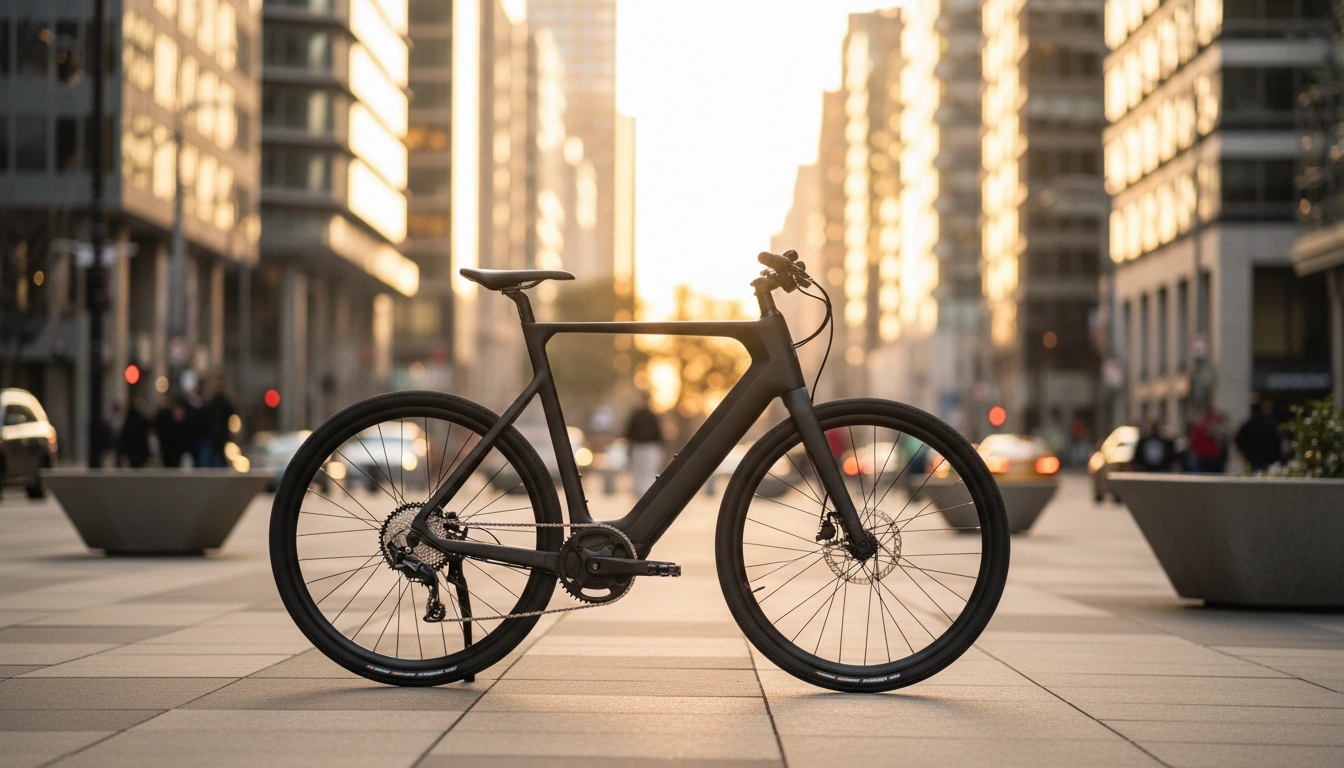
Electric bikes have gone from a niche curiosity to one of the fastest-growing segments in cycling – and honestly, it’s not hard to see why. A good e-bike turns a sweaty 8-mile commute into something you actually look forward to. It makes hills feel optional. It means you show up to work without looking like you lost a fight with a hot shower. The market has exploded in the last three years, and so has the range of options – from foldable budget commuters under $500 to torque-sensor-equipped hill climbers pushing $2,000.
The problem is that this flood of options makes choosing one harder than it should be. Every listing on Amazon claims 60-mile range and 28 mph speed, brands you’ve never heard of pop up every week, and the price range spans four figures. This hub page cuts through that. Whether you’re a first-time buyer trying to understand what a Class 2 bike actually means, a commuter looking for the right budget tier, or a heavier rider trying to figure out what frame will actually hold up – you’ll find the right spoke article here.
We’ve broken the electric bike category down by budget, use case, rider type, and subtype. Each linked article goes deep on that specific angle – full product roundups, real specs, buying guides. Not sure which type of e-bike fits your needs? Our quick quiz can point you in the right direction. Or start with the section that matches your situation below.
What Is an Electric Bike?
If you’ve been on the fence, here’s the short version – and then we’ll explain the part that actually trips people up (the class system).
An electric bike is a bicycle with a battery-powered motor that assists your pedaling. The key word is “assists” – you still pedal, the motor just makes it easier. Most e-bikes use a hub motor (built into the front or rear wheel) or a mid-drive motor (mounted at the pedal crank for better weight distribution and hill performance). Battery capacity is measured in watt-hours (Wh) – the higher the number, the more range you get.
In the US, electric bikes are classified into three categories that determine how fast the motor can assist and whether you need to pedal at all:
- Class 1 – Pedal assist only, motor cuts off at 20 mph. Allowed almost everywhere bikes are allowed, including most trails.
- Class 2 – Has a throttle (motor runs without pedaling), motor assists up to 20 mph. Allowed in most places but some trails restrict throttle-equipped bikes.
- Class 3 – Pedal assist only, but the motor assists up to 28 mph. Faster and better for commuting, but restricted on many shared paths and trails. Some states require helmets specifically for Class 3.
Most affordable e-bikes sold on Amazon are Class 2 (throttle + pedal assist up to 20 mph). Commuter-focused bikes often reach Class 3 speeds. If you’re planning to ride on bike paths or trails, check local rules before buying – a Class 3 bike might not be allowed on your usual route.
Battery charging is simple: most removable battery packs take 4-6 hours on a standard wall outlet. Cost to charge is usually under $0.10. The main safety spec to look for is UL 2849 certification, which tests the battery and electrical system to reduce fire risk. It’s worth looking for, especially on cheaper bikes.
Quick Picks: Our Top Electric Bike Recommendations
If you want a starting point before digging into the full category breakdowns, these four bikes cover the most common buyer situations.
| Heybike Ranger 2.0 Electric Bike |  |
Best Overall Under $1,000 | Motor: 750W (1400W peak) | Battery: 48V 600Wh | Range: Up to 60 miles | VIEW LATEST PRICE | See Full Roundup |
| Mokwheel Basalt ST Electric Bike |  |
Best Under $2,000 | Motor: 1100W peak, 90Nm | Battery: 48V 940Wh | Sensor: Torque sensor | VIEW LATEST PRICE | See Full Roundup |
| TST 1500W Peak 20″ Fat Tire Electric Bike |  |
Best for Off-Road / Fat Tire | Motor: 1500W peak | Battery: 48V | Safety: UL 2849 tested | VIEW LATEST PRICE | See Full Roundup |
| Heybike Cityscape 2.0 Commuter E-Bike |  |
Best for Commuting | Motor: 500W (1000W peak) | Battery: 48V 468Wh | Safety: UL 2849 certified | VIEW LATEST PRICE | See Full Roundup |
These are the picks that make sense for most buyers. If your situation is more specific – heavy rider, steep hills, delivery work – use the sections below to find the right spoke article.
Electric Bikes by Budget
Budget is usually the first filter, and it’s a real one – the performance jump between price tiers is significant enough that picking the wrong tier is a common mistake.
Here’s a quick summary of what each price range actually gets you, with links to the full roundups:
- Under $500 – Entry-level bikes with smaller batteries (48V, 10-12Ah), 250W-500W motors, and basic cadence sensors. Fine for flat urban riding or light weekend use. Expect 20-30 mile range on a good day. See our picks: Best Electric Bikes Under $500
- Under $600 – The budget sweet spot if you want a folding commuter or fat tire option. Motors step up to 500W, batteries get more capacity, and some models include features like multiple riding modes and removable batteries. See our picks: Best Electric Bikes Under $600
- Under $1,000 – Where things get genuinely good. Real 750W motors, 48V 500-600Wh batteries, hydraulic disc brakes on some models, and UL 2849 certification starts appearing regularly. Real-world range hits 35-55 miles. See our picks: Best Electric Bikes Under $1,000
- Under $2,000 – The biggest performance jump in e-bikes. Torque sensors (vs. cadence sensors), larger 900-960Wh batteries, Bafang or other name-brand motors, and build quality that feels like a proper bike. Real-world range 50-70 miles. See our picks: Best Electric Bikes Under $2,000
- Affordable picks across budgets – Looking for the best value regardless of exact price? See our curated list: Best Affordable Electric Bicycles
Electric Bikes by Use Case
Budget is one axis – what you’re using it for is the other. The right bike for a flat city commute is very different from the right bike for dirt trails or carrying delivery parcels.
- Commuting – You want fenders, a rack, good lighting, and a battery that comfortably covers your round trip. Step-through frames make daily use much easier. Detailed picks: Best Electric Bikes for Commuting
- Heavy riders – Frame capacity, motor power, and brake quality matter much more when you’re over 250 lbs. Most budget bikes aren’t rated for it. Detailed picks: Best Electric Bikes for Heavy Riders
- Hills and climbing – Torque (not just wattage) is what gets you up steep grades. Mid-drive motors and torque sensors make a real difference here. Detailed picks: Best Electric Bikes for Hills
- Delivery work – Cargo capacity, reliability, and motor durability under constant load are the priorities. Detailed picks: Best Electric Bikes for Delivery Jobs
- Fat tire off-road – 4-inch tires handle sand, snow, gravel, and loose dirt that regular tires can’t. The added traction comes at the cost of rolling resistance on pavement. Detailed picks: Best Fat Tire Electric Bikes
- Seniors – Step-through frames, stability, easy controls, and a forgiving riding position. Detailed picks: Best Electric Bikes for Seniors
- Kids – Lower speeds, lighter frames, and easier controls. Not the same as adult bikes scaled down. Detailed picks: Best Electric Bikes for Kids
- Conversion kits – Already have a bike you love and just want to add a motor? Conversion kits are a legit option. Detailed picks: Best Electric Bike Conversion Kits
- 500W motor builds – Looking specifically for bikes built around a 500W motor? Detailed picks: Best 500 Watt Electric Bikes
What to Look for in an Electric Bike
Most buyers focus on range and speed and completely skip the stuff that actually determines whether they’ll enjoy the bike a year from now. Here’s what actually matters – starting with fit: use our bike size calculator before you get lost in motor specs.
Motor Type: Hub vs. Mid-Drive
Hub motors are built into the front or rear wheel. They’re simpler, more affordable, and lower maintenance – which is why almost every bike under $2,000 uses one. Mid-drive motors sit at the pedal crank, which means better weight distribution, more efficient hill climbing, and a more natural ride feel. They also cost more and have more moving parts. For most commuters and casual riders, a good hub motor is all you need. If hills are a regular part of your route, a mid-drive is worth the upgrade.
Battery Capacity and Real Range
Manufacturer range claims are almost always measured at the lowest assist level on flat ground with a 150 lb rider. Your real-world range will be lower – figure 60-70% of the advertised number for mixed riding. Battery capacity is measured in watt-hours (Wh): a 48V 10Ah battery = 480Wh, a 48V 20Ah battery = 960Wh. More Wh means more range. At the under-$1,000 tier, look for at least 400Wh. At under-$2,000, 700-960Wh is the norm for better builds.
Class and Legal Status
Class 1 (pedal assist to 20 mph) is the most universally allowed. Class 2 adds a throttle. Class 3 pushes to 28 mph but has more restrictions. Check your city, state, and any bike paths or trails you regularly use before buying. Some apartment buildings and workplaces also have e-bike rules worth knowing about before you lug one upstairs.
Brakes and Safety
Mechanical disc brakes are acceptable. Hydraulic disc brakes are better – more modulation, more stopping power, less hand fatigue over long rides. At higher speeds (28 mph on a Class 3), brake quality matters a lot more than it does on a slow commuter. Don’t buy a fast bike with budget brakes. Also look for a motor cutoff switch that kills assist when you pull the brakes – most decent bikes have this, but cheap ones sometimes don’t.
UL 2849 Certification
UL 2849 is an American safety standard that tests the battery, motor, and electrical system together as a system – not just the battery alone. There is no federal requirement, but some places now require it for sale (New York City, and California since January 2026), and it’s a meaningful differentiator in a market flooded with unverified batteries. E-bike fires, while rare, are almost always electrical system failures on uncertified bikes. If you’re storing the bike indoors, this certification is worth looking for.
Weight and Frame
E-bikes are heavy. Many e-bikes weigh 45-70 lbs, and some commuter and folding models come in lighter, so check the listed weight before you buy. If you need to carry it up stairs or load it into a car regularly, a lighter aluminum frame or a folding model is worth prioritizing (some folders still top 60 lbs). Step-through frames aren’t just for older riders – they make daily mounting and dismounting noticeably less awkward.
Top Electric Bike Brands
The e-bike brand landscape shifts fast, but a handful of names have built a real track record. See our full breakdown in the Best Electric Bicycle Brands guide – here’s the short version.
Heybike has become one of the more reliable names in the under-$1,000 space. Their Ranger and Cityscape lines cover commuters and fat tire riders well, with UL 2849 certification on several models. Customer support is solid for the price tier.
Mokwheel punches above its weight in the $1,500-2,000 range. The Basalt ST is genuinely impressive – torque sensor, large battery, and the option to use it as a power bank for camping gear. A brand worth knowing.
Rad Power Bikes is one of the original DTC e-bike brands, known for durable cargo and utility builds. Their bikes aren’t always the cheapest on the market, but the support infrastructure and parts availability are better than most.
Aventon makes cleaner-looking commuter and performance bikes, with a strong presence in the Class 3 and torque-sensor space. Good if you want something that doesn’t look like an Amazon special.
Velowave has made a strong entry in the $1,000-2,000 range with Bafang-powered builds and genuine torque sensors. The Grace 2.0 step-through is one of the better commuter builds in that bracket.
Jasion covers the folding budget space well. Their EB7 series has UL 2849 certification and solid folding mechanisms for under $1,000 – good for apartment dwellers and car-trunk commuters.
Engwe offers fat tire and all-terrain builds with a lot of specs per dollar. The Engine Pro 2.0 stands out with a torque sensor at the $1,500-2,000 price point.
For a deeper comparison with value rankings and what to expect from each brand, read our full guide: Best Electric Bicycle Brands in 2026.
Electric Bike FAQ
These are the questions that come up over and over – and the answers that are actually useful rather than hedged to death.
How long do electric bike batteries last?
Most lithium-ion e-bike batteries are rated for 500-1,000 charge cycles before noticeable capacity degradation. If you charge once per day, that’s roughly 2-3 years before you start noticing reduced range. The battery usually doesn’t fail completely – it just holds less charge. Replacements typically run $150-400 depending on the brand and size. Avoid deep discharges (don’t run it to 0% repeatedly) and store indoors in moderate temperatures to extend lifespan.
Are electric bikes worth it?
For commuters who would otherwise drive short distances, yes – easily. The math works out quickly when you factor in gas, parking, and the fact that you’re actually getting some exercise. For casual recreational riders, it depends how much the motor would actually change your riding habits. A good e-bike makes you ride more, not less – which is the whole point. The catch is maintenance costs and battery replacement over time, which most buyers underestimate when they’re focused on the upfront price.
Can you ride an electric bike in the rain?
Most e-bikes are water resistant (IPX4 or similar), meaning they can handle rain and splashes without damage. They’re not waterproof – don’t submerge them or park them outside in heavy rain long-term. After wet rides, dry off the electrical connectors and make sure water isn’t pooling around the battery tray. The connectors and display are the most vulnerable points. Riding in light to moderate rain is fine for most quality bikes.
Do you need a license for an electric bike?
In most US states, no license, registration, or insurance is required for Class 1, 2, or 3 e-bikes. They’re treated like regular bicycles under federal law. That said, some states have added their own rules – a few require helmets for Class 3, some have minimum age requirements, and some parks and trail systems have their own restrictions. It’s worth a 5-minute check for your specific state and the trails you ride.
How fast can an electric bike go?
Class 1 and Class 2 motors assist up to 20 mph. Class 3 motors assist up to 28 mph. You can go faster than that by pedaling harder – the motor just stops adding assist at those speeds. Some bikes sold online are marketed at higher speeds (30, 35, even 40 mph), but those are technically not e-bikes under US law – they’re either mopeds or e-motorcycles, depending on how fast they go, and they require registration and may require a license.
What’s the difference between Class 1, 2, and 3?
Class 1: Pedal assist only, cuts off at 20 mph. Most universally allowed – permitted on most trails and bike paths. Class 2: Adds a throttle that works without pedaling, still caps at 20 mph. Restricted on some trails. Class 3: Pedal assist to 28 mph, no throttle (in most implementations). Faster for road commuting but banned on many bike paths and shared trails. When in doubt, Class 1 is the safest choice for maximum access.
How much does it cost to charge an e-bike?
Almost nothing. A typical e-bike battery (500Wh) draws about $0.06-0.10 of electricity per full charge, depending on local rates. Even if you charge every single day for a year, that’s under $35 in electricity. The running costs are genuinely minimal compared to any motorized alternative.
Can you still pedal a dead battery?
Yes – an e-bike is still a regular bike when the battery dies. You can pedal it home. The downside is that e-bikes are heavy (often 45-70 lbs), so pedaling without assist, especially uphill, is noticeably harder than on a regular bike. It’s not an emergency, but it’s not fun either. Keep an eye on your battery level, especially on longer rides.
Explore Our Full Electric Bike Library
Every article below is a dedicated deep-dive into that specific angle – full product roundups, specs, buying criteria, and picks for different budgets and needs.
By budget: Under $500 – Under $600 – Under $1,000 – Under $2,000 – Best Affordable Picks
By use case: Commuting – Heavy Riders – Hills – Delivery Jobs – Fat Tire – Seniors – Kids
Specialty: Conversion Kits – 500W Builds – Brand Guide – Full Buying Guide
Not sure where to start? If you’re buying your first e-bike, the under-$1,000 roundup covers the price tier where most first-time buyers land – and gives you a clear picture of what your money actually buys. If you’ve already decided to spend more, go straight to the under-$2,000 guide where the real performance upgrades start showing up.
🚲 Free: The Smart Bike Buyer’s Cheat Sheet
Get our 2-page PDF - budget tiers, the components that actually matter, and a 12-point used-bike inspection. We'll email you the download link. No spam, unsubscribe anytime.
By subscribing you agree to our Privacy Policy.