
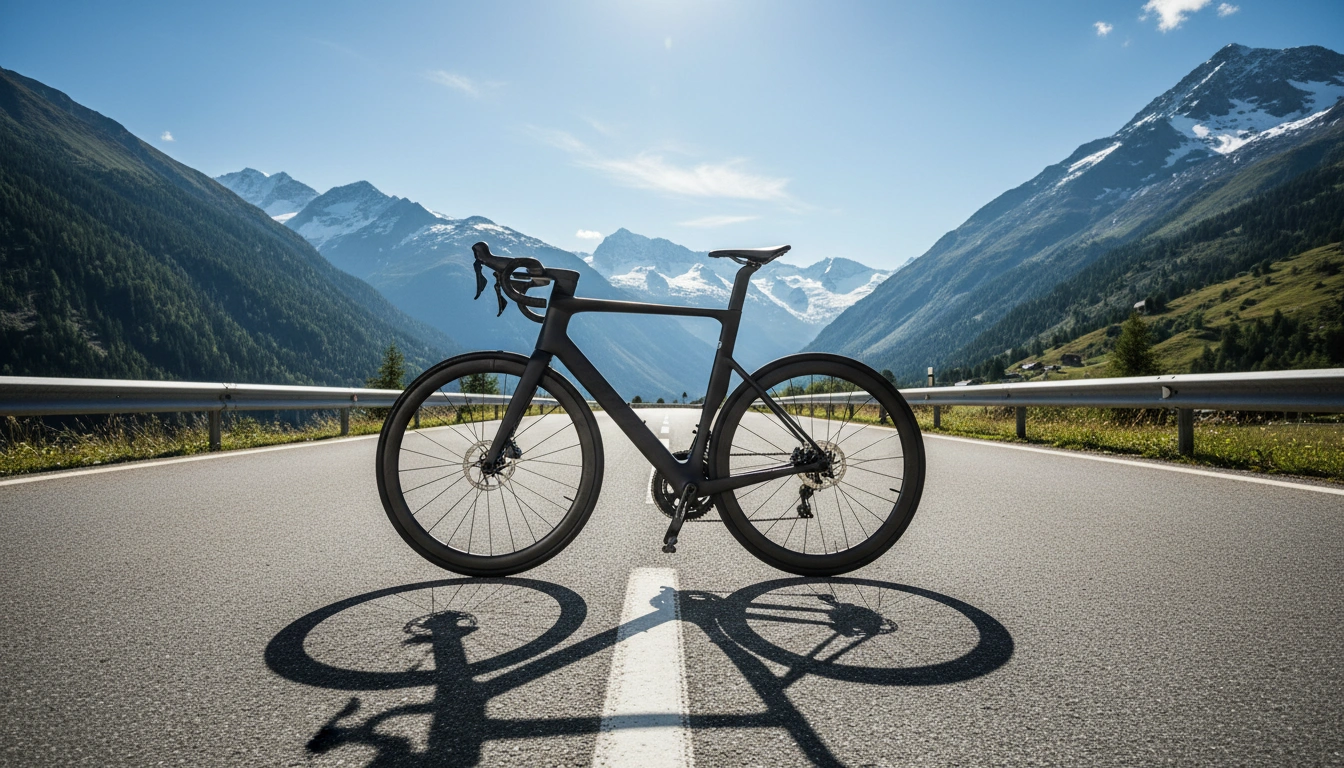
Yes, Canyon bikes are genuinely good — great, even. If you’re comfortable buying online, doing basic assembly, and handling warranty issues without a local shop, Canyon gives you more bike for your dollar than almost anything else on the market. But there are real trade-offs, and some riders will be better served elsewhere. Here’s the honest breakdown for US buyers in 2026.
What Is Canyon, Exactly?
Canyon is a German brand that sells direct-to-consumer (DTC) — meaning no bike shops, no dealers, no showroom. You order online, they ship a bike in a box to your door, and you do the final assembly yourself (or take it to a local shop). That’s the whole model, and it’s the reason their prices are so competitive.
Based in Koblenz, Germany, Canyon traces its roots to Radsport Arnold, founded in 1985. The brand name “Canyon” was introduced around 1996, and the company was reincorporated as Canyon Bicycles around 2001-02. From those origins, Canyon has grown into one of the biggest direct-sell bike brands in the world. They sponsor pro cycling teams and have legitimate race wins at the World Tour level. These aren’t novelty bikes — they’re the real deal.
Why Canyon Bikes Are So Cheap (Relatively Speaking)
When you see a Canyon with a carbon frame and Shimano 105 Di2 priced $500 less than a comparable Trek or Specialized, you’re not getting an inferior bike. You’re cutting out the middleman markup.
Traditional bike brands sell through dealers who add 30-40% margin on top of wholesale prices. Canyon skips that entirely. The savings go back into the spec: better components, lighter frames, or a lower price point — sometimes all three. A Canyon Endurace CF SL with solid carbon and decent groupset sits at a price where most brands are still selling alloy. That’s the value proposition in a nutshell.
Canyon’s Bike Lineup — Who Each Model Is For
Canyon makes a lot of bikes. Here’s a quick rundown of what matters most for US buyers:
- Endurace — Endurance road geometry, more relaxed and comfortable for long days in the saddle. Great all-rounder for gran fondos and centuries.
- Ultimate — Pure performance road, more aggressive position. For riders who want a race-worthy machine without the Aeroad price tag.
- Aeroad — Aero road bike, used by Canyon’s pro teams. Top-of-line, premium price, serious weight weenies and TT enthusiasts.
- Grail — Canyon’s gravel bike, dual-drop handlebar design, highly regarded in the gravel community. Genuinely different from the crowd.
- Spectral — Trail mountain bike with aggressive geometry. Well-reviewed for all-day flow trail riding.
- Neuron — More versatile/cross-country leaning MTB. Good for newer trail riders who want a capable bike without going full enduro.
The Real Catches for US Buyers
This is where you need to pay attention. Canyon’s model has genuine friction points that matter more in the US than in Europe.
Assembly Is Required
Canyon ships bikes partially assembled. The front wheel, handlebars, and pedals need to be installed and adjusted. Most competent home mechanics can do it in 30-60 minutes following the manual. But if you’ve never touched a bike’s headset or torque specs, you might want to pay a local shop $50-75 to do the final setup. That still often leaves you ahead financially.
No Test Rides
You can’t walk into a Canyon store and throw a leg over it. That’s a real problem if you’re between sizes or unsure about their geometry. Canyon has a detailed online sizing tool and publishes full geometry charts, but it’s still a leap of faith compared to visiting a shop. Their return policy allows returns within 30 days, but shipping a bike back is a pain and not free.
Warranty and Service Logistics
Canyon’s warranty is 6 years on frames (lifetime for some models, check the specific bike). That’s solid. But if something goes wrong, you’re dealing with Canyon’s German customer service, not a local shop who knows you by name. Response times can vary, and shipping a frame for warranty work means downtime. For riders who expect dealer-level hand-holding, this can get frustrating fast.
Parts Availability and Resale
Canyon uses some proprietary parts — especially on handlebar/stem integration on road bikes. If something breaks or you want to upgrade, you may need to source Canyon-specific parts. They do sell parts through their website, but availability isn’t always consistent. Resale value is decent but not as strong as Trek or Specialized, simply because the brand has less name recognition at your average US local bike swap.
Canyon vs Traditional Dealer Brands — Quick Comparison
Here’s where Canyon stacks up against brands you’d buy at a local shop:
| Factor | Canyon (DTC) | Trek / Specialized / Giant (Dealer) |
|---|---|---|
| Price-to-spec ratio | Better — no dealer markup | Higher price for same components |
| Test rides | Not possible — online only | Yes — local shop demo |
| Assembly | Required — 30-60 min setup | Fully built at purchase |
| After-sales support | Online/phone with Canyon EU HQ | Local shop walk-in support |
| Warranty | 6 years frames (some lifetime) | Typically lifetime frames (varies) |
| Availability in US | Ships to door | Local shop stock (sometimes limited) |
| Resale value | Good but below Trek/Specialized | Stronger brand recognition resale |
| Returns | 30-day policy (you ship back) | Usually store handles it |
Who Should Buy a Canyon Bike
Canyon is genuinely the right bike for the right buyer. That buyer looks like this:
- You’ve bought bikes before and know your size (or you’re confident using their online fitting tool)
- You’re comfortable with basic bike assembly — or willing to pay a shop a one-time setup fee
- You want the most carbon, the most groupset, the most performance for your budget
- You don’t need dealer hand-holding or walk-in warranty service
- You’re researching, comparing specs, and buying intentionally — not impulse buying at a shop
If you’re that person, Canyon might be the best value in bikes at your price point. Genuinely.
Who Should Skip Canyon
Canyon isn’t for everyone, and that’s fine. You should probably look elsewhere if:
- You’re a first-time rider who wants to walk into a shop, get fitted properly, and leave with a ready-to-ride bike
- You want a local relationship for ongoing tune-ups, adjustments, and emergencies
- You need to test-ride before committing — especially important for people with fit issues or coming back from injury
- You live somewhere with limited shipping access or have had bad experiences with large package deliveries
- Resale value matters a lot to you (you flip bikes often)
Not sold on DTC? Browse Amazon-available options:
If you’d rather pick up something you can order today with Amazon’s return policy, check our roundup of the best road bikes under $1,000 — all verified available and updated for 2026. Or if you’re torn between gravel and road, our gravel bike vs road bike guide breaks down the real differences.
Frequently Asked Questions About Canyon Bikes
Are Canyon bikes worth it?
For the right buyer, absolutely yes. You consistently get better components for the price compared to dealer brands at the same budget. A Canyon at $2,000 will often have a lighter carbon frame and better groupset than a Trek or Specialized at the same price. The trade-off is the DTC model — no local support, assembly required, sizing done online. If you’re comfortable with that, Canyon is hard to beat on value.
Do Canyon bikes come assembled?
Partially. Canyon ships bikes with the main frame and drivetrain assembled, but you’ll need to install the front wheel, handlebars (on some models), seatpost, and pedals. It typically takes 30-60 minutes with basic tools. Canyon includes a detailed setup guide. If you’re not confident, any local bike shop can finish the setup for a small fee — usually $50-100.
Is Canyon good for beginners?
Canyon can work for beginners who are comfortable researching online and doing basic assembly. But if you’ve never bought a bike before, a traditional bike shop is probably a better starting point — you can test-ride, get fitted, and leave with a fully set-up bike and ongoing support. Once you know what you want in a bike, Canyon becomes a serious option for your second or third bike.
Where can I buy Canyon bikes in the US?
Canyon sells exclusively through their own website (canyon.com). There are no US dealers or third-party retailers. You order directly, and they ship from a US warehouse. As of 2026, they have a US distribution center which has improved shipping times and return logistics significantly compared to a few years ago. Canyon is NOT sold on Amazon.
How does Canyon compare to Trek and Specialized?
On pure spec-per-dollar, Canyon wins at most price points. On dealer support, test rides, and brand recognition, Trek and Specialized win. Neither brand makes a bad bike — it really comes down to how you buy and what support you need. If you care most about getting the most carbon and the best groupset for your budget, Canyon usually comes out ahead. If you want a local shop relationship and the ability to walk in for service, stick with a dealer brand.
What’s Canyon’s warranty policy?
Canyon offers a 6-year warranty on carbon and alloy frames for the original purchaser. Some premium models have lifetime warranties — always check the specific product page. Components are covered by the manufacturer’s warranty (Shimano, SRAM, etc.), which is typically 2 years. Warranty claims are handled through Canyon’s customer service, not a local dealer. For US buyers, Canyon’s North American support team handles claims.
🚲 Free: The Smart Bike Buyer’s Cheat Sheet
Get our 2-page PDF - budget tiers, the components that actually matter, and a 12-point used-bike inspection. We'll email you the download link. No spam, unsubscribe anytime.
By subscribing you agree to our Privacy Policy.