
Getting your first mountain bike is exciting – and a little overwhelming. Walk into any bike shop and you’ll face a wall of options, specs you’ve never heard of, and price tags that range from “let me think about it” to “absolutely not.” Most beginners either spend too much on a bike they’ll outgrow their fear of, or buy something so cheap it falls apart before the trail gets interesting.
Good news: there’s a real sweet spot. The bikes in this list cover a range of budgets and styles – fat-tire bikes for mixed terrain, full-suspension entry-level, 29er hardtails for taller riders, and simple 26-inch setups for anyone just trying to get rolling. You’ll find something here whether you’re planning weekend fire roads, first-time singletrack, or just want a real MTB instead of a department-store shelf-warmer.
Every product here is available on Amazon and verified live. Let’s get into it.
Key Takeaways
- The Mongoose Dolomite (fat tire, 7-speed) and Huffy Maunga (7-speed Shimano, fat tire, disc brakes) are the best picks for mixed-terrain beginners who want stability over speed.
- The Mongoose Impasse HD 29″ and Tiaw/UOKAA 29″ give taller riders a real 29er hardtail with disc brakes without a premium price tag.
- The Schwinn Protocol is the only full-suspension option on this list – it won’t ride like a $2,000 trail bike, but it’s genuinely more forgiving on rough ground for beginners.
- The Outroad 26″ and Betterland 26″ are the simplest entry points – 7-speed, V-brakes, steel frame – fine for flat trails and mixed surfaces, not technical terrain.
- The WEIZE 29″ is the best lightweight aluminum option for beginners who want a 29er without extra weight – 6061 frame, suspension fork, 21-speed trigger shifting.
| Mongoose Dolomite Fat Tire Mountain Bike | 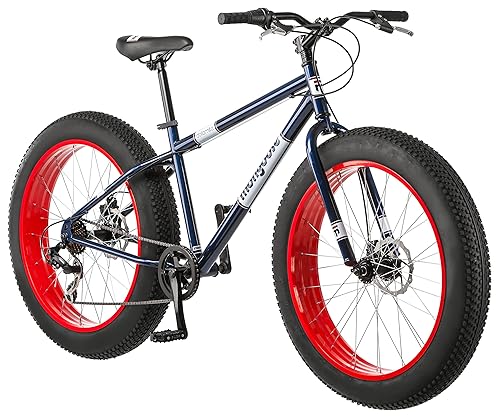 |
Best Fat-Tire Intro | Wheel: 26″ x 4″ fat tire | Frame: Steel hardtail | Gears: 7-speed | VIEW LATEST PRICE | Read Our Analysis |
| Schwinn Protocol Full Suspension Mountain Bike |  |
Best Full-Suspension Feel | Wheel: 26″ | Frame: Aluminum full suspension | Gears: 21-speed trigger | VIEW LATEST PRICE | Read Our Analysis |
| Mongoose Impasse HD Mountain Bike 29″ | 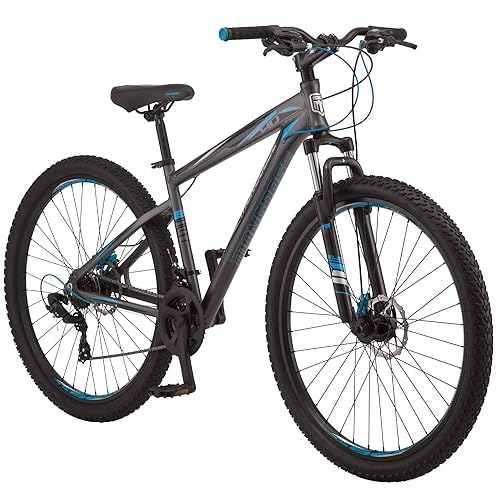 |
Best 29er for Taller Riders | Wheel: 29″ x 2.6″ | Frame: Aluminum hardtail | Gears: 21-speed SRAM trigger | VIEW LATEST PRICE | Read Our Analysis |
| WEIZE Hardtail Mountain Bike 29″ |  |
Best Lightweight Hardtail | Wheel: 29″ | Frame: 6061 aluminum | Gears: 21-speed Shimano | VIEW LATEST PRICE | Read Our Analysis |
| Outroad 26″ Mountain Bike 7-Speed |  |
Best Simple Entry Pick | Wheel: 26″ | Frame: High-carbon steel | Gears: 7-speed twist shift | VIEW LATEST PRICE | Read Our Analysis |
| Betterland 26″ Mountain Bike |  |
Best Budget Commuter-Trail | Wheel: 26″ | Frame: Carbon steel | Gears: 7-speed | VIEW LATEST PRICE | Read Our Analysis |
| Tiaw 29″ Aluminum Mountain Bike 21-Speed |  |
Best Value 29er with Disc Brakes | Wheel: 29″ x 2.1″ | Frame: Aluminum alloy | Gears: 21-speed | VIEW LATEST PRICE | Read Our Analysis |
| Huffy Maunga Fat Tire Mountain Bike |  |
Best Big-Brand Budget Pick | Wheel: Fat tire (4″) | Frame: Steel | Gears: 7-speed Shimano | VIEW LATEST PRICE | Read Our Analysis |
More Details on Our Top Picks
-
Mongoose Dolomite Fat Tire Mountain Bike
If you want to ride somewhere a regular bike would bounce you off – sand, gravel, packed snow, loose dirt – the Mongoose Dolomite puts those 4-inch fat tires between you and the problem. It’s not a race bike, but it’s one of the most forgiving things a beginner can sit on, and that matters when you’re still figuring out your balance on uneven ground.
The steel hardtail frame keeps the weight honest for a fat-tire build, and the setup is simple: 1×7 drivetrain, front and rear mechanical disc brakes, beach cruiser pedals. Fits riders between 5’4″ and 6′ well. Those alloy rims keep rotating weight reasonable while the knobby tires dig in on surfaces that would send a narrow-tire bike sideways.
The threadless headset improves steering precision – you’ll notice it compared to older coaster-brake fat bikes. Assembly arrives about 80% done, so you’re mostly attaching wheels, handlebars, and pedals. Budget an hour and have a set of Allen wrenches ready.
Best for beginners who want to explore mixed terrain – beach, gravel paths, light dirt trails – without committing to a serious trail setup. It’s not going to shred singletrack, but for casual all-terrain riding, it’s a genuinely fun first bike.
- Wheel Size:26″ fat tire
- Tire Width:4 inches
- Frame:Steel hardtail
- Drivetrain:1×7 speed
- Shifting:Twist shift
- Brakes:Front and rear mechanical disc
- Rims:Alloy double-wall
- Rider Height:5’4″ – 6’0″
- Headset:Threadless
- Assembly:~80% pre-assembled
-
Schwinn Protocol Full Suspension Mountain Bike
Most beginner bikes are hardtails – one fork in front, nothing moving in back. The Schwinn Protocol breaks that pattern with a full-suspension aluminum frame, and if you’re the kind of beginner who gets rattled by roots and rocks, that rear suspension will feel like a meaningful upgrade over a rigid setup.
The aluminum full-suspension frame keeps weight in check for what it is, paired with 26-inch wheels that fit riders 5’4″ to 6’2″. 21-speed trigger shifters give you a wide gear range – useful when the trail gets steep and your legs aren’t trained yet. Front and rear mechanical disc brakes handle all-weather stopping without drama.
The alloy crank is a nice touch – it requires less maintenance than a cheaper steel crank and stays in adjustment longer. The knobby mountain tires on alloy rims are durable enough for everyday trail riding, not just occasional weekend use.
Honest note: at this price, full suspension means a basic rear coil shock – it absorbs bumps but won’t transform technical riding. What it does well is make rough fire roads and gravel significantly more comfortable for new riders. If you know you want to explore bumpy terrain from day one, the Protocol is the pick.
- Wheel Size:26″
- Frame:Aluminum full suspension
- Suspension:Front fork + rear coil
- Drivetrain:21-speed
- Shifting:Trigger shifters
- Brakes:Front and rear mechanical disc
- Rims:Alloy
- Crank:Schwinn alloy
- Rider Height:5’4″ – 6’2″
- Best For:Beginners on rough terrain
-
Mongoose Impasse HD Mountain Bike 29″
If you’re between 5’4″ and 6’2″ and want a proper 29er hardtail – bigger wheels roll over trail obstacles more easily than 26-inch setups – the Mongoose Impasse HD is the most capable option in this price range. The extra wheel size makes a real difference on rocky and root-covered trails.
The lightweight aluminum frame with internal cable routing looks clean and keeps cables from catching on brush. Those 29 x 2.6″ tires on alloy double-wall rims give you genuine trail capability – the wider tire profile adds confidence on loose surfaces where a 2.1″ tire would skitter around. Front and rear disc brakes deliver consistent stopping in wet or dusty conditions.
The 21-speed SRAM trigger shifter is a notch above twist-shift systems – it’s more precise and less tiring on long rides, especially when you’re hitting climbs repeatedly. The aluminum 3-piece crankset is simpler to maintain than the square-taper setups on cheaper bikes.
If you’re tall and serious about trail riding from day one, don’t settle for a 26-inch bike just because it’s cheaper. The Impasse HD gives you a real 29er platform that you won’t outgrow for a while – it’s an honest trail bike, not a scaled-up department-store frame.
- Wheel Size:29″
- Tire Size:29 x 2.6″
- Frame:Aluminum hardtail
- Cable Routing:Internal
- Drivetrain:21-speed
- Shifters:SRAM trigger
- Brakes:Front and rear disc
- Rims:Alloy double-wall
- Crankset:Aluminum 3-piece
- Rider Height:5’4″ – 6’2″
-
WEIZE Hardtail Mountain Bike 29″
Weight matters more than most beginners expect. The WEIZE goes with a 6061 aluminum frame instead of the heavier steel used on budget bikes – you feel it the first time you carry the bike up a hill or load it into a car. For a 29er hardtail at this price, that material choice is a real advantage.
The 29-inch wheels with wide knobby tires roll over trail debris well, and the front suspension fork soaks up the bumps that would otherwise travel straight into your wrists and shoulders. With 21-speed Shimano twist shifting, gear changes are smooth across a range of climbs and flat sections – more than enough for beginner riding. Aluminum double-wall rims add lightweight strength without the flex you’d get from cheaper single-wall units.
Fits riders between 5’4″ and 6’2″, which covers most adult sizes. Aluminum V-brakes front and rear provide reliable stopping – not as powerful as hydraulic discs, but consistent and easy to adjust if they start to drag. The comfort saddle is good for longer rides on paths and mixed surfaces.
If you want the lightest option in this lineup for mixed-terrain riding – trails, gravel paths, moderate hills – the WEIZE 29″ threads the needle between weight, price, and capability well. It’s a clean build that rides better than the price suggests.
- Wheel Size:29″
- Frame:6061 aluminum hardtail
- Drivetrain:21-speed Shimano
- Shifting:Twist shift
- Suspension:Front fork
- Brakes:Aluminum V-brakes (front and rear)
- Rims:Aluminum double-wall
- Tires:Wide knobby mountain tires
- Saddle:Comfort padded
- Rider Height:5’4″ – 6’2″
-
Outroad 26″ Mountain Bike 7-Speed
Sometimes you just want to get on a bike, ride, and not overthink it. The Outroad 26″ is the most straightforward option on this list – 7-speed twist shift, V-brakes, high-carbon steel frame, front suspension. Nothing complicated, nothing expensive to maintain.
The frame uses aviation-grade high-carbon steel – that sounds like marketing language, but it does mean a sturdy, weld-tested structure that handles bumps without flexing. The lock-out suspension fork is a genuinely useful feature at this price: lock it out on smooth pavement for efficiency, open it up for rough terrain. Most bikes in this range skip the lockout entirely.
Anti-slip tires and V-brakes give you reliable stopping. Adjustable handlebars and an ergonomic seat work for riders 5’3″ to 6’2″ – the geometry is set up to be comfortable for people who aren’t used to aggressive forward-lean mountain bike positions. Assembly is designed to take under 20 minutes with the included tools.
This is the pick for someone who wants simple, dependable, and easy to maintain. It’s not going to impress anyone on technical singletrack, but for fire roads, light gravel, and general outdoor riding, it does everything it needs to without making you learn anything complicated.
- Wheel Size:26″
- Frame:Aviation-grade high-carbon steel
- Drivetrain:7-speed
- Shifting:Twist shift gearbox
- Suspension:Front fork with lockout
- Brakes:V-brakes front and rear
- Tires:Anti-slip knobby
- Rider Height:5’3″ – 6’2″
- Assembly:Under 20 min, tools included
- Rear Shock:Rear coil spring absorber
-
Betterland 26″ Mountain Bike
The Betterland sits at a useful crossover point – it’s light enough for short commutes on mixed surfaces, but equipped enough for light trail riding on weekends. That dual-use angle is what makes it worth a look if you’re not sure which direction your riding will go.
The high-carbon steel frame is rated to 330 lbs load capacity – more than most bikes in this range – which means it’s built with more margin than typical budget frames. Dual V-type brakes provide precise, sensitive stopping across different terrains. The front suspension fork handles the shock absorption side of things on rough sections, while sturdy anti-skid tires give grip on both pavement and gravel.
The 7-speed gearbox is enough range for flat-to-moderate terrain. Adjustable seats fit riders between 5’2″ and 6′ – a slightly shorter range than some others, so check your height. It arrives 85% pre-assembled, so you’re looking at a short setup before your first ride.
Personally, I’d pick the Betterland over the Outroad if you plan to use the bike for both trails and getting-to-the-trailhead commutes. It’s the same simplicity level but with a higher weight rating and a more versatile use case. Not a serious trail bike, but a solid do-everything starter.
- Wheel Size:26″
- Frame:High-carbon steel
- Load Capacity:330 lbs
- Drivetrain:7-speed
- Brakes:Dual V-type brakes
- Suspension:Front fork
- Tires:Anti-skid knobby
- Rider Height:5’2″ – 6’0″
- Assembly:85% pre-assembled
- Use Case:Commuter-trail crossover
-
Tiaw 29″ Aluminum Mountain Bike 21-Speed
Here’s a clean option if you want a lightweight 29er with disc brakes and don’t want to spend extra. The Tiaw (sold under the UOKAA brand) keeps the spec list focused – aluminum frame, 29-inch wheels, dual disc brakes, suspension fork, 21-speed. No filler, no gimmicks.
The high-strength aluminum alloy frame is the main selling point: it’s lighter than steel and handles off-road vibration without flexing. 29 x 2.1″ tires roll efficiently on mixed terrain – not as beefy as the Impasse HD’s 2.6″ rubber, but lighter and faster on non-technical surfaces. The front and rear dual disc brakes are the real upgrade over V-brake alternatives at this price point, giving you consistent stopping in wet conditions.
The ergonomic seat and handlebar design keep long rides comfortable – a detail that gets overlooked on budget bikes but matters a lot once you’re spending more than an hour in the saddle. The 19-inch frame fits most adult riders, and it arrives 85% assembled.
Best suited for riders who want a lightweight daily-driver 29er for trails, gravel, and mixed surfaces – and want disc brakes without moving up to a higher price tier. It’s a newer listing with fewer reviews than some others, but the spec sheet is honest and the build is straightforward.
- Wheel Size:29″
- Tire Size:29 x 2.1″
- Frame:High-strength aluminum alloy (19″)
- Drivetrain:21-speed
- Suspension:Front fork
- Brakes:Dual disc brakes (front and rear)
- Saddle:Ergonomic comfort seat
- Handlebars:Ergonomic design
- Assembly:85% pre-assembled
- Use Case:All-terrain + urban commuting
-
Huffy Maunga Fat Tire Mountain Bike
Huffy has been making bikes for over 125 years, and the Maunga is where that brand reliability meets fat-tire trail capability. If the Mongoose Dolomite appeals to you but you want a name you recognize from years of seeing it at retailers, the Maunga covers the same terrain with the Huffy quality stamp behind it.
The 4-inch knobby fat tires are the headline – they handle sand, snow, mud, and loose gravel without the narrow-tire nervousness that sends beginners off course. 7-speed Shimano twist shifting gives you smooth gear changes on flats and climbs – Shimano at this price point is worth noting, it’s a step up from generic drivetrain components. The dual disc brakes front and rear provide reliable stopping confidence on steep descents and technical sections where beginners tend to brake late.
The steel frame is built for durability over weight savings – this isn’t the lightest bike on the list, but it’s one that will take repeated abuse on rough terrain without problems. A padded saddle and comfortable grips reduce fatigue on longer rides, and the geometry suits casual upright riders rather than aggressive trail positions.
The Maunga is the right call if you want a fat-tire bike from a brand with a long history and real customer support behind it. It’s not a performance bike, but for someone who wants to ride on mixed terrain and have a brand they trust, it checks all the boxes.
- Wheel Type:Fat tire
- Tire Width:4 inches knobby
- Frame:Steel
- Drivetrain:7-speed Shimano
- Shifting:Shimano twist shift
- Brakes:Dual disc brakes (front and rear)
- Saddle:Padded ergonomic
- Grips:Comfort grips
- Terrain:Sand, snow, mud, rocky trails
- Best For:Mixed terrain, casual off-road
How to Choose a Beginner Mountain Bike
There’s no single “right” beginner bike – the right pick depends on your height, your terrain, and how seriously you want to ride. Here are the factors that actually matter.
Hardtail vs. Full Suspension
For most beginners, a hardtail – front suspension only – is the better choice. Less maintenance, lighter weight, and more of your budget goes into drivetrain components rather than a rear shock that barely works at entry-level price points. The one exception: if you know you’ll be riding on genuinely rough terrain from day one, the Schwinn Protocol’s full-suspension setup will feel noticeably more forgiving. For gravel, dirt paths, and moderate trails, a hardtail like the Mongoose Impasse HD or WEIZE 29″ will serve you better than a cheap full-suspension alternative.
Wheel Size: 26″ vs. 29″
If you’re under 5’4″, 26-inch wheels feel more natural and easier to control. If you’re 5’4″ and above, 29-inch wheels roll over trail obstacles more smoothly and maintain speed better. The Mongoose Impasse HD and Tiaw 29″ are the best starting points for taller riders. The 26-inch bikes on this list – Outroad, Betterland, Dolomite, Schwinn Protocol – are fine for shorter riders or anyone who prioritizes maneuverability over rollover capability.
Fat Tires vs. Standard MTB Tires
Fat tires (4-inch width, like on the Mongoose Dolomite and Huffy Maunga) make sense if you plan to ride on sand, loose gravel, snow, or soft ground. They’re slower and heavier on packed dirt or pavement, but the stability on soft surfaces is genuinely impressive for new riders. Standard knobby tires on the 29er bikes are more versatile for general trail riding – they’re lighter and roll faster on typical singletrack and gravel paths.
Disc Brakes vs. V-Brakes
Every bike on this list has either mechanical disc brakes or V-brakes. Discs – like on the Schwinn Protocol, Mongoose Impasse HD, and Tiaw 29″ – perform more consistently in wet and muddy conditions. V-brakes like those on the Outroad 26″ and WEIZE 29″ work well in dry conditions and are simpler to adjust. For wet-climate riding or steep descents, prioritize disc brakes. For dry-climate casual riding, V-brakes are fine and less expensive to maintain.
Budget Reality Check
At the budget end (Outroad, Betterland), you’re getting a functional bike that will work on easy trails. At the mid-range (Mongoose Impasse HD, WEIZE 29″, Tiaw), you’re getting better components – SRAM or Shimano shifting, disc brakes, aluminum frames – that will hold up to regular trail use. The fat-tire options (Dolomite, Maunga) are in their own category: worth the price if fat tires match your terrain, less value if you’re mostly on packed dirt.
Beginner Mountain Bike Comparison Table
| Bike | Wheel Size | Frame | Speeds | Brakes | Best For |
|---|---|---|---|---|---|
| Mongoose Dolomite | 26″ fat (4″) | Steel | 7-speed | Mech. disc | Mixed terrain, fat-tire intro |
| Schwinn Protocol | 26″ | Aluminum full-sus | 21-speed | Mech. disc | Rough terrain, full-sus feel |
| Mongoose Impasse HD | 29″ x 2.6″ | Aluminum hardtail | 21-speed SRAM | Disc | Taller riders, trail 29er |
| WEIZE 29″ | 29″ | 6061 aluminum | 21-speed Shimano | V-brake | Lightweight all-terrain |
| Outroad 26″ | 26″ | Carbon steel | 7-speed | V-brake | Simplest entry, easy trails |
| Betterland 26″ | 26″ | Carbon steel | 7-speed | V-brake | Commuter-trail crossover |
| Tiaw 29″ (UOKAA) | 29″ x 2.1″ | Aluminum alloy | 21-speed | Disc | Lightweight value 29er |
| Huffy Maunga | Fat tire (4″) | Steel | 7-speed Shimano | Dual disc | Big-brand fat-tire pick |
Frequently Asked Questions
What size mountain bike do I need as a beginner?
Wheel size and frame size both matter. If you’re under 5’4″, a 26-inch wheel bike like the Outroad 26″ or Schwinn Protocol will feel more natural. If you’re 5’4″ and above, the 29-inch options – Mongoose Impasse HD, WEIZE 29″, or Tiaw 29″ – are worth the upgrade. Most bikes on this list specify the exact height range they fit, so check that before buying.
Is a hardtail or full-suspension bike better for beginners?
Hardtail bikes are almost always the better beginner choice – they’re lighter, require less maintenance, and put more of your budget into components that actually matter. The exception is if you know you’ll be riding rocky, rooted terrain from the start; in that case, the Schwinn Protocol’s full suspension will help you stay on the bike while you’re building trail skills.
Are fat tire mountain bikes good for beginners?
Fat tire bikes like the Mongoose Dolomite and Huffy Maunga are excellent for beginners who want to ride on loose or soft surfaces – sand, gravel, snow, or muddy trails. The wide tires are very forgiving and boost stability. They’re not the fastest option on packed dirt, but if your local terrain is loose or mixed, the extra grip makes a real difference when you’re still learning.
Do I need disc brakes on a beginner mountain bike?
Not necessarily, but they help. Disc brakes – standard on the Schwinn Protocol, Mongoose Impasse HD, Mongoose Dolomite, Tiaw 29″, and Huffy Maunga – perform better in wet and muddy conditions and require less hand force to stop. V-brakes (on the Outroad, Betterland, and WEIZE 29″) work fine in dry weather and are simpler to maintain. If you ride year-round or in a wet climate, prioritize disc brakes.
How much assembly is required for these bikes?
All bikes on this list arrive 80-85% pre-assembled. You’ll typically need to attach the front wheel, handlebars, pedals, and seat, then adjust brakes and derailleurs. Budget 30-60 minutes and a basic Allen wrench set. The Outroad 26″ includes tools and claims under 20 minutes – realistically allow a bit more time your first build. If you’re not confident with assembly, most local bike shops will assemble a shipped bike for a modest fee.
🚲 Free: The Smart Bike Buyer’s Cheat Sheet
Get our 2-page PDF - budget tiers, the components that actually matter, and a 12-point used-bike inspection. We'll email you the download link. No spam, unsubscribe anytime.
By subscribing you agree to our Privacy Policy.
