
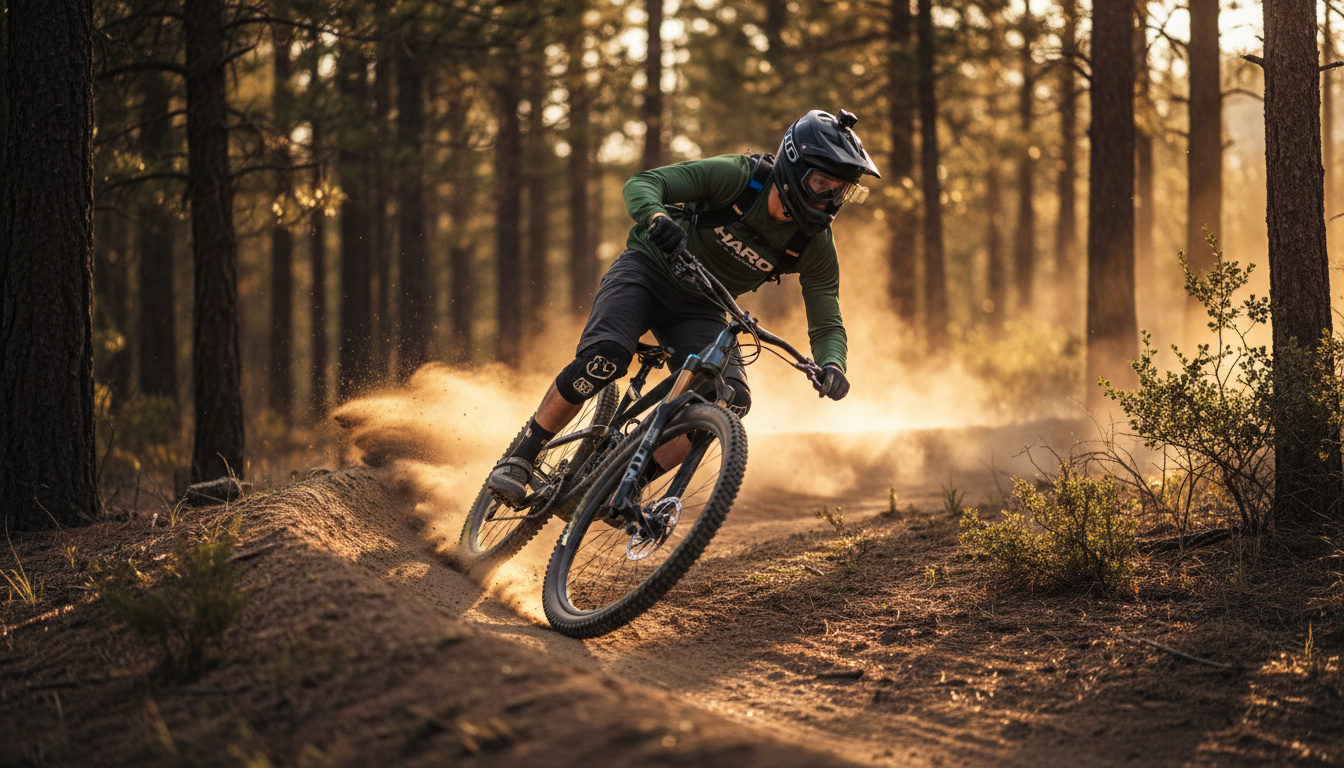
Haro bikes have a legitimate reputation – built up over nearly 50 years, starting in the BMX trenches and eventually expanding into mountain bikes. But if you’re shopping right now, asking “are Haro bikes actually good?” is the right question. There’s a big difference between a brand with history and a brand that still delivers today.
Short answer: yes, Haro bikes are good for the price. They’re not premium bikes, and they’re not pretending to be. What they offer is a solid entry to mid-level ride, backed by a brand that has been around long enough to know what it’s doing.
Let’s break down the details – the history, the specific models, the components, pricing, and honest comparisons so you know exactly what you’re getting before you buy.
The History Behind the Brand
Haro’s story is one of the more interesting ones in cycling. It didn’t start as a corporate venture – it started in 1978 with Bob Haro making handlebar number plates for fellow BMX riders out of his garage in Southern California.
From those humble beginnings, Haro Bikes grew fast. By the mid-1980s, they were one of the most recognizable names in freestyle BMX – widely credited as the brand that turned BMX from a niche racing subculture into a mainstream movement. Bob Haro himself was doing trick riding demos across the country, showing kids what was possible on a bike.
Through the 80s and 90s, Haro expanded beyond BMX into mountain bikes and performance fitness bikes. The brand changed hands over the years – but the core identity stayed intact. Today Haro is headquartered in Vista, CA (in San Diego County) and distributes through authorized bike dealers, including online retailers like Bikes Online.
Why does history matter? Because a brand that survived 45+ years in cycling isn’t flying by night. They’ve seen industry cycles, economic crashes, and constant competition from bigger players. That longevity means something when you’re trusting a company to build a bike you’ll actually ride.
Build Quality: What You Actually Get
This is where the conversation gets real. Build quality at the $400-$900 price point is always a compromise – the question is whether the right compromises were made.
Haro uses 6061 aluminum alloy for most of their mountain bike frames. This is a solid, lightweight alloy – the same material you’ll find on entry-level Trek and Giant bikes. It’s not as light as 7005 aluminum or carbon fiber, but it’s strong, relatively easy to repair, and proven over decades of cycling use.
The welds on Haro frames are generally clean. I’ve seen a lot of riders comment on this – you don’t see the rough or uneven welds that sometimes appear on really cheap bikes. That’s a good indicator of quality control in the manufacturing process.
Component-wise, Haro specs Shimano across most of their lineup. Entry-level builds use Shimano Altus (7-speed), while mid-range builds step up to Shimano Acera or Alivio. These are legitimate trail components – not premium, but reliable and easy to find replacements for. The drivetrains shift smoothly when set up correctly and don’t require constant adjustments.
Brakes are a mixed story. Entry builds sometimes ship with mechanical disc brakes, which work fine but feel wooden compared to hydraulics. Mid-range builds include hydraulic disc brakes from Tektro or Shimano, which are a meaningful upgrade in feel and stopping power. If you’re buying an entry Haro and plan to ride seriously, the brake upgrade is the first thing to budget for.
Haro Model Comparison: Flightline, Double Peak, and Beasley
These three are the core of Haro’s mountain bike lineup right now. Here’s how they stack up side by side – and which one actually fits your riding style.
| Model | Type | Frame | Fork Travel | Wheel Size | Best For | Price Range |
|---|---|---|---|---|---|---|
| Flightline | Trail MTB | 6061 Aluminum | 100-120mm | 29″ | Trail riding, casual singletrack, all-day rides | $600-$900 |
| Double Peak | Trail / XC | 6061 Aluminum | 100mm | 29″ or 27.5″ | XC trails, fitness riding, beginner trail | $500-$800 |
| Beasley | Trail / Aggressive | 6061 Aluminum | 120-140mm | 27.5″ | Technical terrain, rough trails, bike park | $700-$1,100 |
Haro Flightline: The Trail Workhorse
The Flightline is Haro’s most popular MTB model – and for good reason. It hits the sweet spot between capable and accessible. The geometry is trail-friendly without being intimidating: a head tube angle in the 67-68 degree range keeps it stable on descents while still being agile enough for tighter trails.
What makes the Flightline stand out is how it rides. The 29″ wheels roll over roots and rocks without requiring constant input from the rider – that big wheel diameter works in your favor when the terrain gets choppy. Combined with a 100-120mm fork, you have enough travel for natural trail features without sacrificing climbing efficiency.
Typical Flightline spec at the mid-range build: Shimano Acera 9-speed drivetrain, Tektro hydraulic disc brakes, Suntour XCM fork. Nothing exotic, but everything works. The Flightline Trail builds step up to better spec for riders who want more.
You can find current Haro Flightline models at Bikes Online – they carry the full range with good availability.
Haro Double Peak: The XC Choice
The Double Peak runs a more XC-oriented geometry. It’s lighter and more efficient than the Flightline – better for riders who prioritize climbing and covering distance over technical descending. The more upright position and tighter fork travel (typically 100mm) make it comfortable on longer rides.
This is the right choice if most of your riding happens on fire roads, rails-to-trails conversions, and moderate singletrack. It handles those conditions confidently and efficiently. If you want to get into mountain biking without committing to aggressive trail riding, the Double Peak is the logical starting point.
The Double Peak also comes in 27.5″ wheel options on some builds, which feels snappier and more playful than the 29er setup. For shorter riders, those builds also tend to fit better proportionally.
If you’re still figuring out what kind of mountain bike you actually need, check out our best mountain bikes for beginners guide – we walk through the decision points that actually matter for first-time buyers.
Haro Beasley: For Riders Who Want More
The Beasley is Haro’s answer to riders who want a hardtail that can handle actual punishment. Slacker head tube angles (around 66 degrees on aggressive builds), 120-140mm fork travel, and 27.5″ wheels position the Beasley for rougher terrain than the other two.
If you’re planning to ride rooty, rocky trails, or occasional bike park laps on a budget, the Beasley makes sense. It’s still a hardtail, so your rear end will feel everything the terrain throws at it – but the front geometry and fork travel absorb significantly more than a trail-oriented bike.
Current Beasley builds are available through authorized Haro retailers. As with any mid-range aggressive hardtail, budget for eventual component upgrades if you ride hard.
Haro BMX: Still Their Core Identity
Whatever you think of Haro mountain bikes, their BMX lineup is where the brand’s credibility is unquestionable. Haro has been making respected BMX bikes for nearly 50 years – riders at parks and competitions actually choose Haro bikes, not just buy them as a familiar brand name.
Current Haro BMX models include the Shredder (kids and teens), the Midway (street and park), and the Downtown (freestyle street). The mid-to-upper builds use chromoly steel – which is the correct material for BMX, offering the impact resistance and flex characteristics that aluminum can’t replicate.
Compared to big-box brands like Mongoose or Huffy, Haro BMX bikes are built for actual riding. The geometry is correct, the components are functional, and the frames can take abuse without failing at the worst possible moment.
If you’re looking at the full adult BMX market, our best BMX bikes for adults roundup breaks down categories by budget and riding style – Haro earns a spot on that list at multiple price points.
How Haro Compares to Other Brands
Here’s the brand-by-brand comparison that matters most when you’re choosing between Haro and the competition at a similar price point.
| Brand | Price Range (MTB) | Quality Tier | Best Known For | vs Haro (same price) |
|---|---|---|---|---|
| Haro | $400-$1,100 | Mid-range | BMX legacy + trail MTB | – |
| Trek | $600-$10,000+ | Mid to premium | Marlin series (entry), full range | Trek Marlin 5 costs more for similar spec |
| Giant | $500-$8,000+ | Mid to premium | Best value per dollar, full range | Giant Talon competes directly – similar quality |
| Specialized | $700-$15,000+ | Mid to premium | Rockhopper (entry), full range | Rockhopper is a better overall package at $900+ |
| Mongoose | $300-$700 | Entry-level | Big-box retail, entry MTB/BMX | Haro is clearly better built at the same price |
| Diamondback | $400-$900 | Mid-range | Online-direct sales | Comparable quality, different distribution model |
| Cannondale | $900-$5,000+ | Upper mid to premium | Trail Burst, aluminum quality | Cannondale starts above Haro’s range |
At $500-$800, Haro competes favorably with Giant and Diamondback. Once you’re spending $900+, Trek’s Marlin and Specialized’s Rockhopper offer better overall packages. That’s not a criticism of Haro – it just means they have a specific price window where they genuinely shine, and a different window where the money is better spent elsewhere.
For a broader look at the mountain bike market across all price points and categories, the best mountain bikes guide breaks down every major segment with category winners and budget recommendations.
Who Should (and Shouldn’t) Buy a Haro Bike
Not every brand is right for every rider. Here’s the honest take on who gets the most value from a Haro.
Haro makes sense if you:
- Are a beginner or intermediate rider who wants a reliable trail MTB under $900
- Want a real BMX bike (not a toy) that can handle actual park and street riding
- Are buying for a teenager who may outgrow the sport – don’t overspend
- Want a brand with genuine rider credibility rather than a logo on a department store bike
- Are upgrading from a big-box bike and want something meaningfully better without a premium brand price
Look elsewhere if you:
- Need full suspension – Haro’s current MTB lineup is hardtail only at the price points that make sense
- Are racing competitively – dedicated XC race bikes from Giant or Trek will serve you better
- Want serious technical descending capability at $1,000+ – brands like Specialized, Trek, or Norco offer better geometry at that point
- Are an experienced rider with specific component preferences – custom builds will serve you better
Haro Bikes: Common Questions Answered
These are the real questions people ask before buying – not the marketing-friendly ones.
Do Haro bikes hold their value?
Reasonably well for the price tier. Mid-range Haro MTBs typically resell at 40-60% of retail after 2-3 years of normal use. That’s consistent with Giant and Diamondback at similar price points. Premium brands like Trek and Specialized tend to retain value slightly better due to stronger brand recognition on the used market.
Are Haro bikes good quality?
For the price – yes. Clean welds, solid 6061 aluminum frames, Shimano drivetrains, and geometry that reflects actual rider input. The compromises are in components (entry builds ship with mechanical disc brakes and house-brand wheels), not in the frame itself. Most experienced riders keep the Haro frame and upgrade components over time.
How long do Haro bikes last?
With regular maintenance, a Haro aluminum frame should last 10+ years without structural issues. The consumable components – chain, cassette, brake pads, tires – need periodic replacement regardless of brand. The frames themselves have a solid track record with no notable fatigue or corrosion issues when properly maintained.
Are Haro BMX bikes good?
Yes – this is where Haro’s credibility is strongest. Their mid-to-upper chromoly BMX builds are ridden by actual riders at parks and competitions. Even the entry-level builds outperform most big-box alternatives. In the BMX world, Haro is genuinely respected alongside brands like Cult, Sunday, and Fit.
What’s the difference between Haro Flightline and Double Peak?
The Flightline has more trail-oriented geometry – slightly slacker head tube angle, more fork travel options, better suited for singletrack and technical riding. The Double Peak is lighter and more efficient, better for XC riding and covering distance. If you want to hit actual trails, go Flightline. If you’re mainly on fire roads and moderate terrain, Double Peak is the smarter choice.
Is Haro still a good brand in 2026?
Yes. The brand has been through ownership changes and market shifts over 45+ years, but product quality and rider credibility have stayed consistent. In the $400-$900 MTB range, they’re a legitimate choice. In BMX, they’re still among the most respected brands at mid-range prices.
Where can I buy Haro bikes online?
The best online option is Bikes Online, which carries the full Haro lineup as an authorized dealer. Buying from authorized dealers matters for warranty coverage – avoid grey-market sellers on Amazon or eBay where warranty support may not apply.
Haro Bike Specs: What to Expect at Each Price Point
Component spec is where budget bikes reveal their shortcuts. Here’s what you can realistically expect from a Haro at different price tiers – so you know going in what you’re getting and what you might want to upgrade eventually.
| Price Point | Drivetrain | Brakes | Fork | Wheels | What to Expect |
|---|---|---|---|---|---|
| Under $500 | Shimano Altus 7-sp | Mechanical disc | Suntour XCE (non-lockout) | House brand | Solid starter bike, will want upgrades after 1-2 seasons |
| $500-$700 | Shimano Acera 8-sp | Tektro hydraulic | Suntour XCM (lockout) | Double wall rims | Sweet spot – usable as-is for most trail riding |
| $700-$900 | Shimano Alivio/Deore 9-sp | Shimano hydraulic | RockShox or quality Suntour | Tubeless-ready options | Genuinely capable – fewer immediate upgrade urges |
| $900-$1,100 | Shimano Deore 10/11-sp | Shimano hydraulic | RockShox Recon | Tubeless-ready, better hubs | Where Haro starts competing with entry Trek/Specialized |
The $500-$700 range is genuinely the sweet spot. Below that you’ll be replacing components faster than you want. Above that, brands like Trek, Giant, and Specialized start offering better overall packages with stronger dealer support networks.
Maintenance and Ownership: Real-World Considerations
A bike is only as good as the support available when things break. Here’s what Haro ownership actually looks like day-to-day.
Parts availability: Since Haro uses standard Shimano components, parts are easy to find and any bike shop can work on them. You don’t need to track down proprietary components – that’s a real advantage over some boutique brands. Frame-specific hardware (headset cups, bottom bracket) are standard press-fit or threaded specs that any shop stocks.
Warranty: Haro offers a limited lifetime warranty on aluminum frames purchased through authorized dealers. Components are covered separately by their respective manufacturers (Shimano, Tektro, Suntour). The key phrase is “authorized dealers” – buy from a grey-market source and that warranty doesn’t apply.
Common issues riders report: The most frequent complaint from Haro MTB owners is creaking bottom brackets on entry-level builds. This is a known issue with press-fit BBs in general, not just Haro. The fix is a threaded conversion adapter – a $30-$40 solution that eliminates the creak permanently. Beyond that, the usual drivetrain wear and cable stretch after break-in are the only common maintenance items.
Local service: Finding a shop that will work on Haro bikes isn’t hard – they’re a recognized brand and use standard parts. The same can’t be said for some direct-to-consumer brands that use proprietary components that local shops refuse to touch.
Is a Haro Bike Worth It in 2026?
Here’s the bottom line on Haro’s place in the current market.
The cycling industry has gotten genuinely competitive at every price point. $500 buys significantly more bike today than it did five years ago – across all brands, not just Haro. That’s good news for buyers.
Within that context, Haro still makes the list for a few specific reasons:
First, the BMX credibility is real and transfers to build quality culture. Brands that grew up in BMX understand what bikes need to handle – abuse, impact, long-term durability – in a way that brands that started in department store retail don’t.
Second, the frame geometry on Haro MTBs is better than it needs to be for the price. You can feel it when you ride – the handling is more considered than typical budget bikes where geometry was an afterthought.
Third, Shimano drivetrains across the range mean your local shop can service it without hunting for parts. That practical consideration matters more than spec sheets over years of ownership.
The brands that beat Haro at specific price points – Giant Talon at $600, Specialized Rockhopper at $900+ – usually do so by offering slightly better components or brand cachet that helps resale value. But Haro isn’t far behind, and for BMX specifically, they’re still one of the first names to consider.
If you’re in the market for a mountain bike and want more context on the full range of options, the best mountain bikes guide covers everything from sub-$500 entry bikes to premium full-suspension rigs – with honest comparisons at every budget level.
🚲 Free: The Smart Bike Buyer’s Cheat Sheet
Get our 2-page PDF - budget tiers, the components that actually matter, and a 12-point used-bike inspection. We'll email you the download link. No spam, unsubscribe anytime.
By subscribing you agree to our Privacy Policy.
