
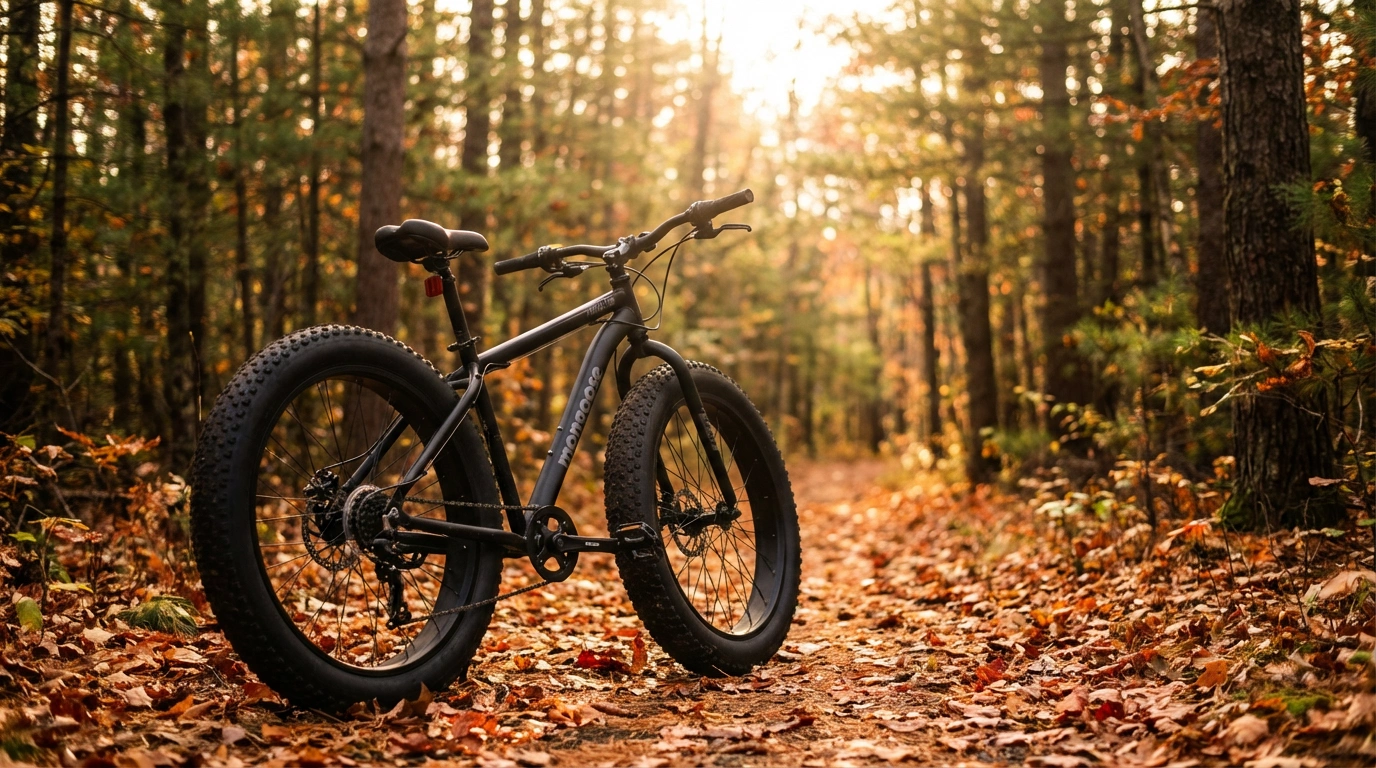
If you’ve ever tried riding a regular mountain bike through sand or snow, you already know the frustration. The wheels sink, you fight for traction, and you end up walking more than riding. That’s exactly the problem the Mongoose Malus was built to solve – and for under $400, it does a surprisingly good job of it.
The Mongoose Malus is one of the most popular entry-level fat tire bikes on Amazon, and for good reason. It packs 26×4-inch knobby tires onto a steel frame with a 7-speed Shimano drivetrain and mechanical disc brakes – all the basics you need to tackle sand, snow, gravel, and light trails without spending a fortune. I’ve seen a lot of beginner riders pick this up as their first fat bike, and most of them are genuinely happy with it.
In this review I’ll break down what the Malus gets right, where it falls short, who it’s best suited for, and a few alternatives worth considering if it doesn’t fit your situation. Let’s get into it.
Key Takeaways
- The Mongoose Malus is a steel-frame fat tire mountain bike with 26×4-inch knobby tires, built for sand, snow, gravel, and light trail riding.
- It uses a 7-speed Shimano rear derailleur with twist shifters – enough range for most casual terrain, though not ideal for serious climbs.
- Front and rear mechanical disc brakes provide reliable stopping power in wet and muddy conditions.
- Fits riders 5’4″ to 6’2″ with an 18-inch frame; arrives 85% assembled with basic tools required.
- Available in matte black and a few other colors; currently in stock at Amazon and major retailers as of 2026.
Full Specs: Mongoose Malus
Before we get into ride quality, here’s the full picture on what you’re actually getting.

- Frame:Steel, 18-inch
- Wheels:26-inch alloy rims
- Tires:4-inch wide knobby fat tires
- Speeds:7-speed
- Drivetrain:Shimano rear derailleur, twist shifters
- Brakes:Mechanical disc, front and rear
- Suspension:Rigid (no suspension fork)
- Rider Height:5’4″ to 6’2″
- Stem:Alloy A-head
- Handlebars:Mountain-style alloy
- Terrain:Sand, snow, gravel, light trail
- Assembly:85% pre-assembled
Ride Quality: What It Actually Feels Like
This is the part that matters most – and the Malus delivers better than you’d expect at this price point.
The fat 4-inch tires are the star of the show. They provide a noticeably cushioned, stable ride on uneven terrain – sand, gravel, dirt paths, light snow – without the constant battle for traction you’d get with a standard mountain bike. The ride is confidence-inspiring for beginners because you’re not fighting the bike to stay upright on loose surfaces.
The steel frame is rigid – there’s no front suspension here. On smooth trails that’s no problem, but on rough, rooted singletrack you’ll feel every bump. The fat tires absorb some of that, but don’t expect the comfort of a full-suspension trail bike. The Malus is built for terrain variety, not aggressive trail shredding.
The 7-speed Shimano drivetrain shifts cleanly and covers a decent range for casual riding. Steep climbs will push the limits of the gearing, especially given the bike’s weight – around 43 lbs – but for flat-to-rolling terrain it handles fine. Most riders use this for beach rides, snowy paths, and casual trails where consistent gearing matters more than a wide range.
Braking is solid. The mechanical disc brakes bite well in wet and muddy conditions, which is exactly the kind of riding you’ll be doing with fat tires. No complaints there.
Assembly: Plan for 30-60 Minutes
The Malus ships around 85% assembled, which sounds good until you realize the last 15% includes the front wheel, handlebars, pedals, and brake alignment.
Most people with basic mechanical skills can get it done in 30-60 minutes. You’ll need a Phillips head screwdriver, 2.5-8mm Allen wrenches, and an adjustable wrench. The instructions that come in the box are minimal, so I’d recommend pulling up a YouTube assembly video – there are several specifically for the Malus that walk through brake cable tension and derailleur adjustment.
Once assembled properly, the bike is solid. One thing to double-check before your first ride: make sure the disc brake rotors aren’t rubbing and the rear derailleur is indexed correctly. These two things account for most of the complaints you’ll see in reviews.
Pros and Cons
Here’s the honest breakdown – no bike at this price is perfect, and the Malus is no exception.
What We Like
- Great traction on sand, snow, and loose surfaces – the fat tires genuinely work
- Solid mechanical disc brakes for wet conditions
- 7-speed Shimano drivetrain shifts smoothly for casual riding
- Alloy rims keep the weight reasonable for a fat bike
- Fits a wide range of riders (5’4″ to 6’2″)
- Available at Amazon, Target, Walmart – easy to find and return if needed
What Could Be Better
- No front suspension – rough rocky trails feel harsh
- Weighs around 43 lbs – heavier than most riders expect
- Assembly requires patience and some mechanical know-how
- 7-speed gearing is limiting on serious climbs
- Saddle comfort drops off on longer rides
Who Should Buy the Mongoose Malus?
The Malus hits a sweet spot for a specific kind of rider – and if you fit that profile, it’s genuinely good value.
Buy the Malus if you:
- Want to ride on sand, snow, or gravel without spending $600+
- Are new to fat bikes and want to try the experience without a big investment
- Ride mostly flat-to-rolling terrain at a casual pace
- Are between 5’4″ and 6’2″ tall
- Don’t mind spending an hour on assembly
Skip the Malus if you:
- Plan to ride aggressive, technical singletrack trails
- Want a lighter bike (this thing weighs over 40 lbs)
- Need more than 7 speeds for hilly terrain
- Prefer a fully assembled, ready-to-ride experience
3 Alternatives Worth Considering
The Malus isn’t the only game in town. Here are three solid alternatives depending on what you’re looking for.
Mongoose Dolomite – The Malus’s Sibling
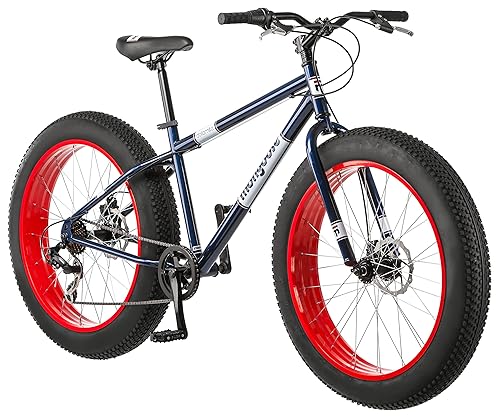
The Mongoose Dolomite is the Malus’s slightly more budget-friendly sibling. It runs the same 26×4-inch tire setup and 7-speed drivetrain, but typically comes in at a lower price point. Both bikes use alloy rims. The key differences are price (Dolomite typically comes in lower) and minor spec variations – both deliver comparable performance for casual fat bike riding. For a full head-to-head comparison, check out our Mongoose Dolomite vs Malus breakdown.
- Frame:Steel
- Tires:26×4-inch fat tires
- Speeds:7-speed, twist shifters
- Brakes:Mechanical disc
- Weight:~48 lbs
- Best For:Budget buyers who prioritize value over weight
Huffy Maunga – Budget Fat Bike with Shimano

The Huffy Maunga is a solid budget option with 4-inch knobby tires, a steel frame, dual disc brakes, and 7-speed Shimano shifting. It targets the same casual off-road rider as the Malus but typically comes in at a lower price. If you’re just getting started and want to minimize your initial investment, the Maunga is worth a look.
- Frame:Steel
- Tires:4-inch knobby fat tires
- Speeds:7-speed Shimano
- Brakes:Dual disc
- Best For:Entry-level riders on a tight budget
Outroad Fat Tire Mountain Bike – More Gears, More Terrain
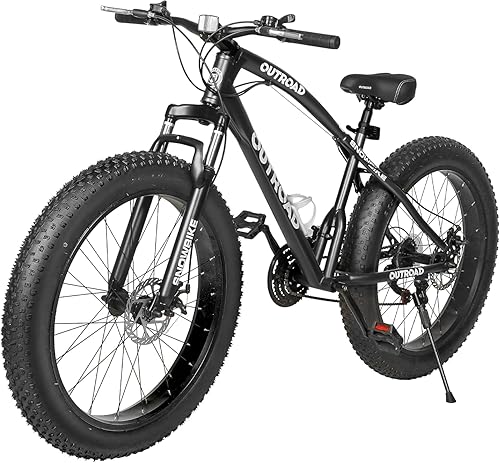
If the Malus’s 7-speed gearing feels limiting, the Outroad 26-inch fat tire bike steps up to a 21-speed drivetrain with a front suspension fork – giving you more climbing range and better trail comfort. The high-carbon steel frame is stiff and supports up to 440 lbs. It’s a solid upgrade if you plan to ride hillier terrain or want more gearing flexibility.
- Frame:High-carbon steel
- Tires:4-inch fat tires, 26-inch wheels
- Speeds:21-speed
- Suspension:Front suspension fork
- Brakes:Double disc
- Capacity:440 lbs
- Best For:Riders who need more gears and some suspension
How to Choose a Fat Tire Bike
Fat bikes look similar on the surface, but a few key differences will define whether you love or regret your purchase.
Tire Width: 4 Inches vs 4.25 Inches
Most budget fat bikes run 4-inch tires – including the Malus and Dolomite. Slightly wider tires (4.25″+) add a bit more float on sand and snow but also add weight. For most casual riders, 4-inch is the sweet spot. Go wider only if you’re riding deep sand or powder snow regularly.
Speed Range: 7-Speed vs 21-Speed
The Malus’s 7-speed setup is fine for flat to gently rolling terrain. If your local terrain includes real hills, seriously consider the Outroad’s 21-speed – the extra gears make a big difference on climbs, especially given how heavy fat bikes tend to be.
Frame Material: Steel vs Alloy
All three bikes here use steel frames – they’re heavier than aluminum but more durable for the price. Steel also absorbs road vibration slightly better, which matters on rough terrain. Don’t expect a lightweight ride from any budget fat bike.
Suspension: Rigid vs Front Fork
The Malus and Dolomite run rigid forks – no suspension. That’s fine on smooth packed trails, sand, and snow, but gets rough on rocky technical singletrack. If rocky trails are in your future, the Outroad’s front fork or a mid-range fat bike with suspension is worth the extra spend.
Assembly: Factor in Your Confidence Level
All these bikes arrive partially assembled. If you’re not mechanically comfortable, plan for a local bike shop to finish the job – most charge $60-80 for assembly. It’s worth it to get the brakes and derailleur dialed in correctly from the start.
Frequently Asked Questions
Is the Mongoose Malus still available in 2026?
Yes – the Mongoose Malus is still actively available at Amazon, Target, Walmart, and specialty retailers as of 2026. It has not been discontinued. Multiple color variants remain in stock at major retailers.
What’s the weight limit on the Mongoose Malus?
Mongoose doesn’t publish an official weight limit for the Malus, but the steel frame and components are generally rated for riders up to around 250-300 lbs for comfortable riding. If you’re a heavier rider, the Outroad fat bike with its 440-lb capacity rating is a better choice.
Can the Mongoose Malus handle snow?
Yes – the 4-inch knobby tires provide solid traction on packed snow and light powder. For deep powder or serious winter conditions, you might want to look at wider 4.5″+ tires, but for typical winter trail riding the Malus handles well. Check out our guide on fat tire bike pros and cons for more on winter riding.
How does the Malus compare to the Mongoose Dolomite?
The main differences are price and minor spec details — both bikes run alloy rims and 26×4-inch tires. The Dolomite typically comes in cheaper; the Malus tends to be slightly lighter and better specified. For a full breakdown, read our Mongoose Dolomite vs Malus comparison.
What tools do I need to assemble the Mongoose Malus?
You’ll need a Phillips head screwdriver, Allen wrenches (2.5mm to 8mm), and an adjustable wrench. The bike arrives around 85% assembled. Budget 30-60 minutes if you’re comfortable with basic tools, or take it to a local bike shop for a professional assembly.
🚲 Free: The Smart Bike Buyer’s Cheat Sheet
Get our 2-page PDF - budget tiers, the components that actually matter, and a 12-point used-bike inspection. We'll email you the download link. No spam, unsubscribe anytime.
By subscribing you agree to our Privacy Policy.
